
U.S. Stock Market Movement: Meta surged on October 12; Muse's retention is close to ChatGPT and AI advertising
 Bitget异动解读2026/10/12 13:45
Meta October 12 Surge Analysis
Keywords: Muse retention close to ChatGPT, AI advertising
1. On October 12, data shows that Muse’s first-week user retention rate exceeded 30%, with a 14-day retention rate of 22%, which is close to the retention performance of ChatGPT. This indicates that this consumer-grade AI application has established an early foundation for user engagement and retention.
2. On September 8, Meta launched Muse. As of October 12, Muse's cumulative downloads have exceeded 8.2 million, with early user numbers continuing to grow, providing a product foundation for subsequent commercial exploration in subscriptions, transactions, and marketing.
3. On October 12, Meta’s AI technology continued to be used in content recommendations, user interactions, and ad targeting on Facebook, Instagram, and WhatsApp. This helps advertisers optimize marketing campaigns and improve conversions, with AI capabilities covering core social networking and advertising businesses.
(Disclaimer: This content is generated by AI technology based on publicly available information, for reference only and does not constitute investment advice.)
Disclaimer: The content of this article solely reflects the author's opinion and does not represent the platform in any capacity. This article is not intended to serve as a reference for making investment decisions.
You may also like
TSMC may raise its annual revenue guidance when releasing its third-quarter earnings
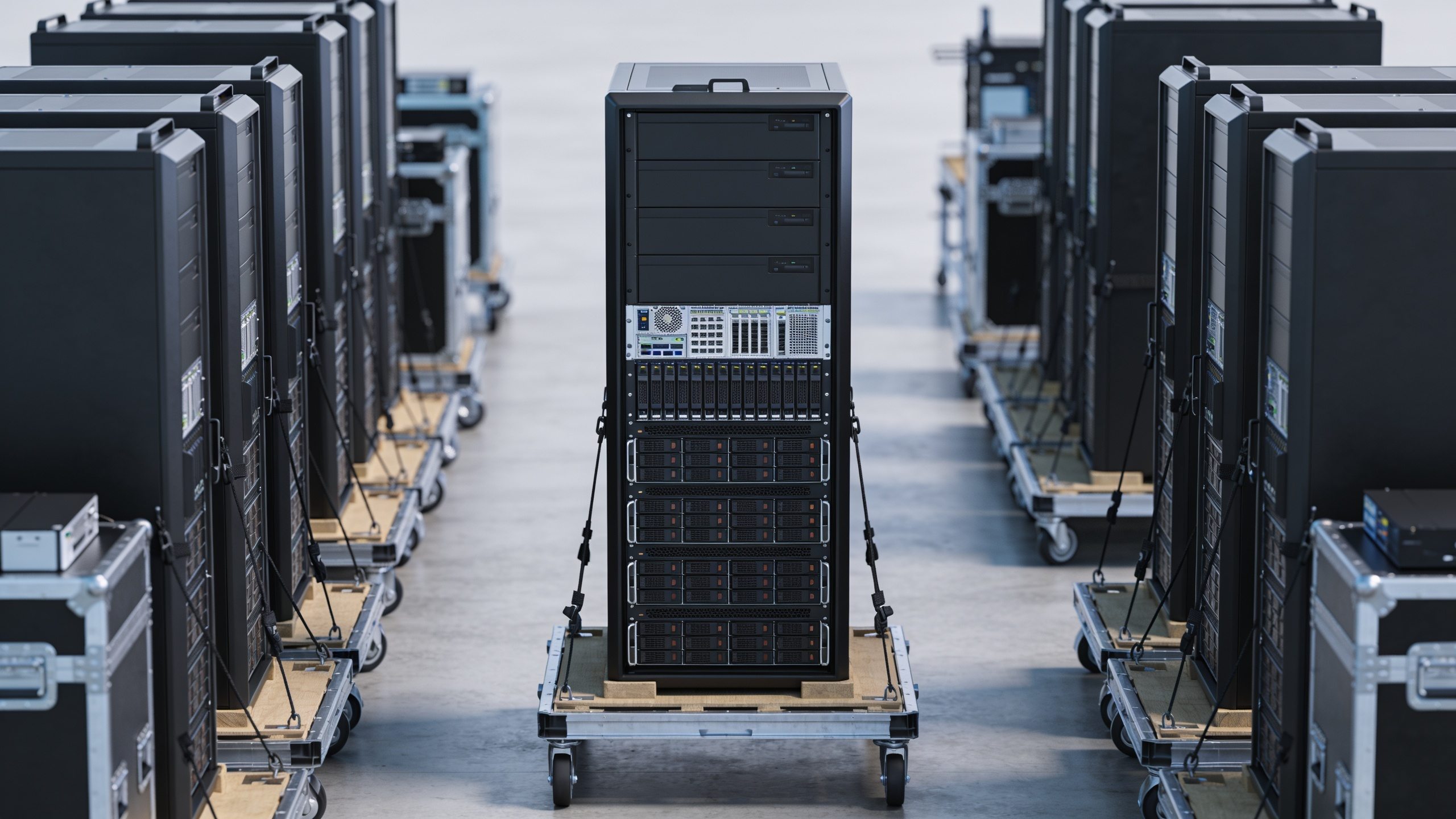
AMD launches Helion intelligent agent AI rack design, supporting up to 32,768 cores, jointly endorsed by eight manufacturers including Cisco and Dell.
AMD has released the Helion Intelligent Agent AI rack design, based on the Open Compute Project (OCP) standard. The CPU-only configuration supports up to 32,768 CPU cores, while also offering an integrated CPU+GPU enterprise setup. The platform features a built-in token router and supports multi-model scheduling. Eight major hardware manufacturers, including Cisco, Dell, and HPE, have announced their support. Related products are expected to launch in November 2026.

Crypto prices
More


