
GoPro is being sold and preparing to venture into optical modules

Unable to outcompete DJI and Insta360, GoPro is being acquired.
On September 1 (local time), action camera company GoPro and private optics company Starman Optical announced that they have reached a definitive merger agreement. Starman Optical will acquire approximately 90% of GoPro’s equity for $285 million in cash, and the deal is expected to close by year-end.GoPro’s outstanding debt of about $92 million will be fully repaid upon completion of the transaction, with existing shareholders retaining about a 10% stake.
The merged company will be incorporated into Starman Optical’s domestic optical transceiver business. In a statement, GoPro CEO Nick Woodman described the new entity as “America’s leading imaging and optical solutions company,” focusing on “national security fields related to cameras, optics, and AI infrastructure.”
Addressing consumer concerns, the company stated that it will continue to fully support existing GoPro cameras and the subscription cloud platform.However, both parties notably remained silent about plans to release new cameras.
A defeat that was about more than just price
Twelve years ago, GoPro rang the bell on Nasdaq, closing the first day’s trading with a market value close to $3 billion; by October that same year, the company’s market cap peaked at over $11 billion. Today, the buyout price is barely a fraction of that — how did GoPro decline so drastically?
In 2002, Nick discovered on a surfing trip that he couldn’t find a camera capable of recording his sports movements. This led him to found GoPro’s precursor, Woodman Labs. GoPro went public in June 2014, at a time when it was synonymous with action cameras.
Peak straight after IPO was followed by a decade-long decline. In October 2016, the company launched the Karma drone to compete with DJI’s Mavic, but less than three weeks after launch, it was exposed that the drone would lose power mid-flight and crash. Come November, GoPro recalled all 2,500 units sold, offering only refunds with no exchanges. Within a month, the company laid off 15% of its workforce. The Karma drone line was completely halted by 2018, and the subsequent 360° camera, Fusion, failed to make a splash.
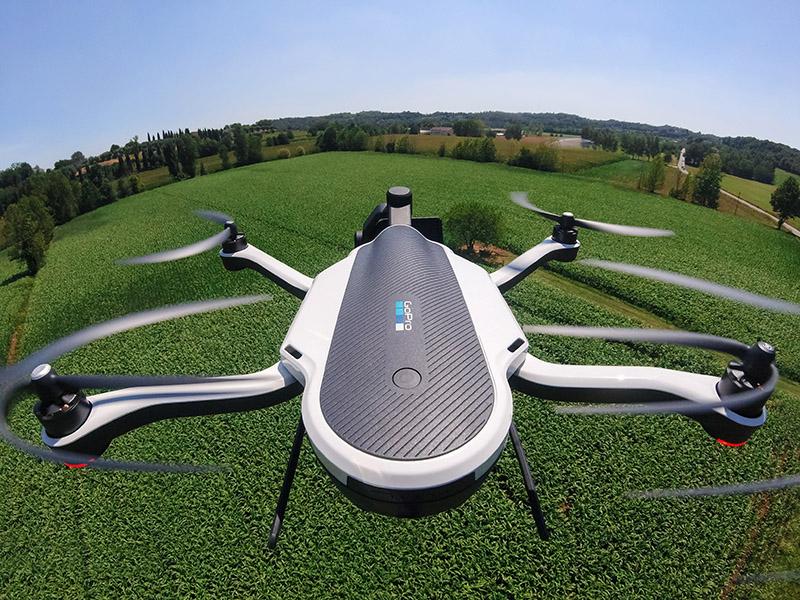
Image | Karma (Source: GoPro)
By contrast, rivals were far more aggressive. Three years ago, GoPro still held more than 80% of the action camera market. However, in the 2025 annual sales rankings for action cameras, DJI took the lead for the first time with a 40.1% share, Insta360 followed closely with 37.9%, and GoPro was pushed to third at 18.9%. In Q1 of 2026, DJI shipped 2.7 million units for a 65% market share, Insta360 shipped 0.9 million (22%), while GoPro delivered only 0.3 million, seeing its share fall below 6% for the first time.
GoPro’s downfall cannot be simply attributed to “price wars by Chinese brands.”When DJI entered the action camera market, it focused on drone-grade image stabilization and gimbal technology; Insta360, on the other hand, targeted the then-untapped 360° camera segment, attracting young creators through its software ecosystem and AI-powered auto-editing.
In contrast, GoPro’s failure with the Karma drone led to significant cuts in R&D investment over the following years, slowing product iteration considerably. GoPro had previously claimed it would deliver “better sensors and more robust casing”—a philosophy it continues today, but in the short video era, creators value user-friendliness and one-click editing far more.
The financials document the complete collapse. Q4 2014 revenue reached a peak of $634 million, but thereafter declined year by year. From 2023 to 2025, the cumulative net loss was about $569 million, and cash reserves shrank from over $100 million in 2024 to $49.7 million by the end of 2025. Gross margin dropped from 32.1% the previous year to just 4.3%: every camera sold generated almost no profit.
The final straw for GoPro was the soaring price of memory. In the last week of March 2026, the company suddenly received notice from suppliers that the cost of memory chips had nearly doubled; in April, they were told supplies would be cut. Because contracts do not allow order cancellation or refunds, this directly added $24.5 million in extra costs for GoPro.
Behind this is an industry transformation dubbed “RAMageddon”: memory chip manufacturers are shifting production from consumer-grade standard DRAM to high-bandwidth memory (HBM) needed for AI servers. Market analysis forecasts that in 2026, 70% of global memory production will be consumed by data centers, with no additional capacity expected until 2029–2030.
GoPro couldn’t wait. On June 1, GoPro stated in a filing to the U.S. SEC for the first time that there was “substantial doubt about the company’s ability to continue as a going concern.” PwC concluded: If the company cannot obtain new financing or make a strategic transaction, it may be forced to slash, restructure, or cease operations, or file for federal bankruptcy protection.
A series of remedies followed. In May, the board began a strategic review and hired Houlihan Lokey, a bank with strong ties to the defense and consumer sectors, to assist with sale or merger proceedings; in April, GoPro laid off nearly a quarter of its workforce; and in July, Nick personally lent the company $20 million to keep it running. By the end of August, GoPro’s stock price had fallen below $0.60, just one step from delisting.
AI drove GoPro to the brink—while also finding its rescuer
After being acquired by Starman Optical, GoPro at least secured a ticket to remain listed.
Starman Optical is not a widely known public brand. Its parent, Starman Holding, has a sprawling portfolio: phone cases, laptop bags, medical devices, semiconductors, real estate, and more.
In 2024, Starman started building up its presence in the photonics industry. That year, Starman and photonic device design company New Photonics founded the joint venture Starman New Photonics, focusing on optical transceivers for AI data centers — core components that bi-directionally convert electrical and optical signals for high-speed data transfer over optical fibers—planning to build a domestic photonics foundry in New Jersey. Starman Optical, the entity acquiring GoPro, was registered just one day before the deal was announced.
Starman has its eyes on three cards in GoPro’s hand: patents, its listed status, and U.S. manufacturing.
GoPro holds more than 2,500 U.S. patents covering optics, imaging, and image processing—a ready-made moat for any new optics company; additionally, as a private firm, Starman can directly access public-market funding mechanisms through this reverse merger.
Currently, U.S. restrictions on Chinese tech products are tighter than ever, and DJI was added to the FCC’s “Covered List” in December 2025, so new models cannot obtain import authorization. “Bringing production of critical optical components back to the U.S.” not only taps into favorable policies but also meets requirements for government and defense procurement compliance.As early as April this year, GoPro began arranging for consulting firm Oliver Wyman to evaluate its camera and imaging technology for potential use in military, government, and aerospace fields.
It’s worth noting that GoPro will likely not be the last consumer hardware company to walk this path. Under the pressure of RAMageddon, hardware companies relying on consumer-grade memory chips, operating on razor-thin margins, and lacking pricing power will all face similar crises.
YouTube creators voted with their wallets before Wall Street did
An even more interesting story happened before the acquisition.
On August 31, leading YouTube gaming and entertainment content creator Markiplier revealed he had spent around $9.3 million to purchase an 8.5% stake in GoPro, making him the company’s largest individual shareholder. His reasoning was simple: he likes using GoPro products and feels the company is undervalued.
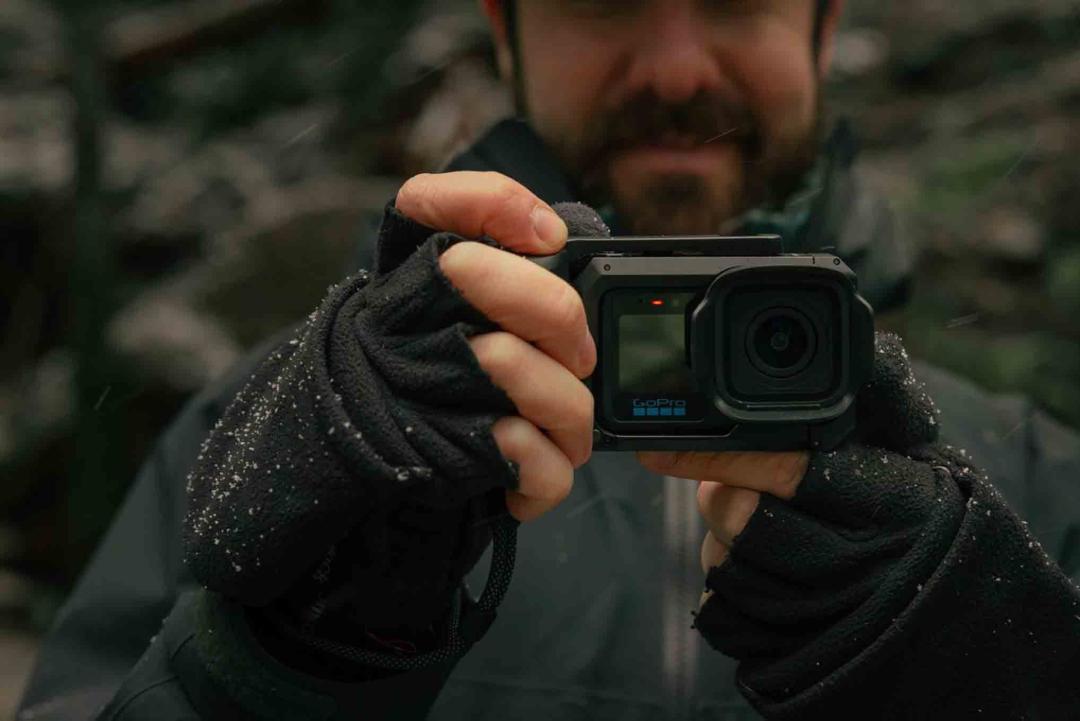
(Source: GoPro)
After the news broke, GoPro stock surged 46% on the day, then another 55% after hours, escaping Nasdaq’s $1 minimum listing requirement. Based on September 1’s pre-market price, Markiplier’s investment doubled in just two days. Still, this was most likely a pure coincidence with no conspiracy.
In the future, the GoPro logo might appear on supplier lists for data center equipment, military optical modules, and aerospace components purchases.
But many will not forget that this name once belonged to the little squares strapped to helmets, surfboards, and bicycle handlebars, and the never-to-be-repeated moments they captured.
Operations/Editing: He Chenlong
Note: Cover/lead image AI-assisted generation
Disclaimer: The content of this article solely reflects the author's opinion and does not represent the platform in any capacity. This article is not intended to serve as a reference for making investment decisions.
You may also like
Digital Asset Investor predicts major XRP volatility after CLARITY Act backed by Trump
Bitcoin Drops to 10-Day Low, Altcoins Retrace Following New US-Iran Attacks: Market Watch
GitLab (GTLB.US) Q2 Earnings Call: Celebrates One of the Strongest Quarters Ever, Flex Strategy Ushers in a New Era of Growth
GitLab (GTLB.US) delivered a strong beat in its fiscal year 2027 Q2 results, with revenue reaching $286.3 million, up 21% year-on-year. Net ARR grew by over 40%, and gross bookings hit a record high. Management described this quarter as an "important turning point."

The signals to watch: a crypto market outlook for Q4 2026
Crypto prices
More


