- 85,000 blocks remaining until Bitcoin's next halving as of September 1, 2026
- Halving projected for April 17, 2028 at 6:20 AM EDT — block #1,050,000
- Block reward will drop from 3.125 BTC to 1.5625 BTC per block
- Approximately 594 days remain — an extended accumulation window by historical standards
- BTC trading at $77,895, down 0.52% in the last 24 hours, with $1.56T market cap
What the Halving Changes
Bitcoin’s issuance schedule is hard-coded into its protocol. Every 210,000 blocks — approximately every four years — the reward paid to miners for each new block is cut in half. At the next halving, that reward will fall from the current 3.125 BTC to 1.5625 BTC per block, further tightening new supply entering circulation.
Countdown Tracker Breakdown
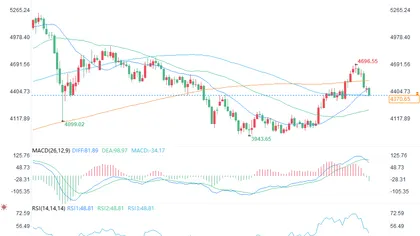
The tracker confirms 85,000 blocks remaining with a projected date of April 17, 2028. This is not a price chart — it is a supply-event countdown tied to Bitcoin’s fixed issuance algorithm. The data originates from third-party block trackers, not a central issuer, as Bitcoin’s schedule is fully autonomous and immutable.
Market Context
At the time of writing, Bitcoin is trading at $77,895, down 0.52% over the past 24 hours, with a market cap of approximately $1.56 trillion and 24-hour trading volume of $29.66 billion. Traders are currently watching the $76,000–$78,000 support band and the $81,000–$82,000 resistance zone as key near-term levels.
With 594 days until the event, the market enters what analysts have historically characterized as an extended accumulation window. Previous halvings — in 2012, 2016, and 2020 — were each followed by significant price appreciation within 12 to 18 months, though past cycles do not guarantee future outcomes, and macro conditions differ with each event. Markets have also historically begun pricing in the halving approximately 6 to 12 months ahead of the block milestone.
On the mining side, reduced block rewards may pressure less efficient mining operations, which could temporarily impact network hashrate in the months surrounding the event. September seasonality adds a separate layer of caution — historical data suggests Bitcoin has averaged a negative return of approximately -2% to -3% in September, making near-term momentum a separate question from the longer halving narrative.

CoinsProbe may publish sponsored articles, affiliate links, or promotional collaborations. All sponsored material is clearly labeled to maintain transparency with our audience. Our editorial decisions remain fully independent, and advertising partnerships do not influence reviews, rankings, or published opinions.
Since 2023, CoinsProbe has delivered reliable insights on cryptocurrency, blockchain, and digital assets. Our content is created by experienced researchers and analysts who follow strict editorial standards focused on accuracy, transparency, and credibility. Every article is carefully reviewed and verified using trusted sources and current market data. We provide unbiased analysis and timely updates covering everything from emerging crypto projects to major industry developments.