
ROLL's 24-hour volatility reaches 40.6%: Mainly driven by low liquidity fluctuations, no clear event driver
 Bitget Pulse2026/04/28 17:34
Volatility Overview
The price of ROLL hit a low of $0.02405 and a high of $0.03381 in the past 24 hours. The current price is $0.03377, with a volatility range of 40.6%. According to CoinGecko data, the 24-hour trading volume is approximately $111,700, with a market capitalization of about $4.53 million. CoinMarketCap shows a 24-hour trading volume of $184,200, with the overall price increasing by 6.3%-6.58%, highs ranging from $0.0316-$0.03169, and lows from $0.0285-$0.02853.
Brief Analysis of Reasons for Unusual Movements
- In the past 24 hours, there were no significant events (such as token unlocking or large whale transfers) detected through official announcements, mainstream news, or on-chain monitoring data.
- Searches on X platform showed no relevant discussions about pump or surge.
Market Views and Outlook
There is limited discussion in the community and on X, with no prevailing market sentiment or analyst forecasts. As a low-cap Base chain project (RollX ecosystem), it is important to monitor the sustainability of trading volume and the overall market environment moving forward, as risks remain high.
Note: This analysis is automatically generated by AI based on public data and on-chain monitoring, and is for informational reference only.Disclaimer: The content of this article solely reflects the author's opinion and does not represent the platform in any capacity. This article is not intended to serve as a reference for making investment decisions.
You may also like
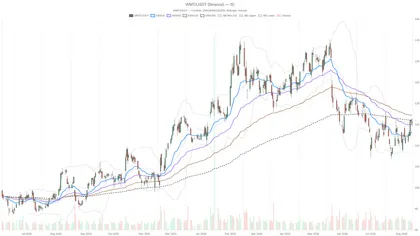
Walmart Inc. stock stalls at $116 resistance ahead of Aug. 20 earnings
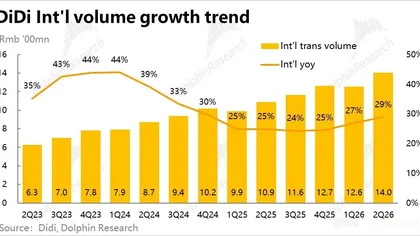
Overseas "Seeing the Light," DiDi Finally Welcomes Its "Day of Emergence"
Hyperliquid sees 169,514 new users in RWA markets, $111.6 billion volume in H1 2026
Nvidia's $500 Billion AI Funding Plan Conceals Risks, Trump Advisor Warns of "Dark GPU" Surplus
Trump's tech advisor David Sacks warned on a podcast that the biggest risk facing Nvidia's $500 billion AI financing plan is overcapacity, drawing a parallel to the "dark fiber" crisis after the internet bubble—if a large number of GPUs are idle and prices collapse, it would seriously impact the entire AI infrastructure investment chain. He also noted that political resistance to data center construction might actually prevent this overcapacity from occurring.
Crypto prices
More


