
Arctic Pablo Coin's Deflationary Edge: How Presale Bonuses and Token Burns Are Reshaping Meme Coin ROI
- Arctic Pablo Coin (APC) introduces a deflationary presale model with triple-bonus incentives in Stage 38, aiming to reshape meme coin ROI through scarcity and institutional safeguards. - Unlike traditional meme coins, APC employs weekly token burns and structured tokenomics to drive demand, contrasting with uncontrolled supply models like Dogecoin. - The final presale phase presents a high-risk, high-reward opportunity with projected 10,000%+ ROI, supported by exchange listings and long-term team incenti
In the rapidly evolving world of meme coins, Arctic Pablo Coin (APC) is redefining the value proposition of speculative assets through a meticulously structured model. While projects like Dogecoin and Snek rely on viral hype and community sentiment, APC leverages deflationary mechanics, scarcity-driven tokenomics, and strategic incentives to create a framework for sustainable value creation.
The Triple-Bonus Frenzy: Maximizing Returns in Stage 38
Deflationary Burns and Scarcity: A Meme Coin's Secret Weapon
Unlike traditional meme coins, APC employs weekly token burns to reduce supply and increase demand. To date, 11.123 billion tokens have been burned, erasing 5% of the total supply. These burns are publicly verifiable on BscScan and Solscan, ensuring transparency. By shrinking the circulating supply, APC mimics the scarcity model of Bitcoin while maintaining the utility of a meme-driven asset.
The tokenomics further reinforce this strategy:
- 15% is reserved for staking rewards, offering a 66% APY post-listing.
- 20% funds ecosystem development, including partnerships and marketing.
- 5% is locked for the team in a one-year vesting contract, aligning incentives with long-term holders.
This structured approach contrasts sharply with projects like Dogecoin, which lack burn mechanisms or token supply controls. APC's deflationary model creates a flywheel effect: as more tokens are burned, the remaining supply gains intrinsic value, attracting both speculative and institutional interest.
Urgency and Strategic Entry: Why Stage 38 Is Critical
Investment Advice: Balancing Speculation and Structure
While meme coins inherently carry high volatility, APC's structured tokenomics and deflationary mechanics mitigate some of the risks associated with speculative assets. For investors seeking exposure to the meme coin space, APC offers a disciplined framework that combines the upside potential of a viral token with the safeguards of a well-audited project.
However, due diligence remains essential. The projected ROI hinges on market conditions, exchange listings, and broader crypto sentiment. Diversifying across asset classes—such as pairing APC with traditional equities like Tesla (TSLA) or Bitcoin (BTC)—can help balance risk.
Conclusion: A 100x Opportunity in 2025?
Disclaimer: The content of this article solely reflects the author's opinion and does not represent the platform in any capacity. This article is not intended to serve as a reference for making investment decisions.
You may also like
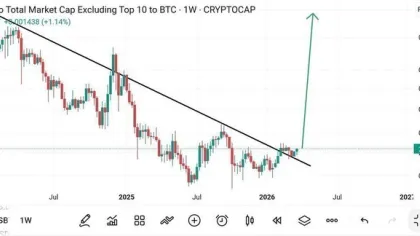
Altcoin Breakout Tests Long-Term Resistance
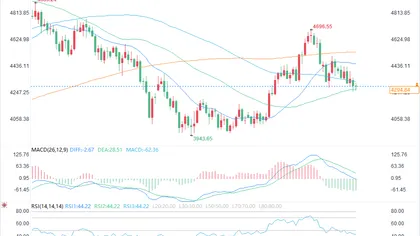
Dow Jones Industrial Average slides as yields beat the Fed to tomorrow's hike
Meta (META.US) strengthens self-developed AI chips! Plans to deploy data centers in the first half of next year, aiming to reduce inference costs and energy consumption
Meta Platforms plans to deploy its next-generation self-developed artificial intelligence chips to data centers in the first half of 2027, aiming to reduce the energy consumption and costs required to run AI models through customized chips.

Crypto prices
More


