
AI Trading Faces a "Vulnerable Moment"! Japan and South Korea Stock Markets Experience "Black Tuesday" as SK Hynix, Samsung, and SoftBank Plunge Together

On Tuesday, Asian tech stocks faced a new round of systemic sell-off as the overnight weakness in the US semiconductor sector spread to the Asia-Pacific market. Concerns intensified over increasingly fierce competition due to the technological breakthrough by Chinese memory chip manufacturer ChangXin Memory Technologies, as well as worries about the returns on AI capital expenditure and the overall financing environment.
According to Zhitong Finance APP, on Tuesday, Asian technology stocks suffered a new round of systemic sell-offs, as the overnight weakness in the US semiconductor sector extended to the Asia-Pacific markets. Concerns intensified regarding increasingly fierce competition triggered by the storage chip technology breakthrough of China's ChangXin Memory Technologies, as well as worries about the return on capital expenditures in AI and the financing environment.
Data showed that both South Korean and Japanese stock markets saw sharp declines. The South Korean Kospi index plunged about 6%, while the Nikkei 225 index dropped more than 2%. Ahead of key earnings reports and the release of US inflation data, investors accelerated their exit from this year’s strong-performing AI and memory chip stocks.
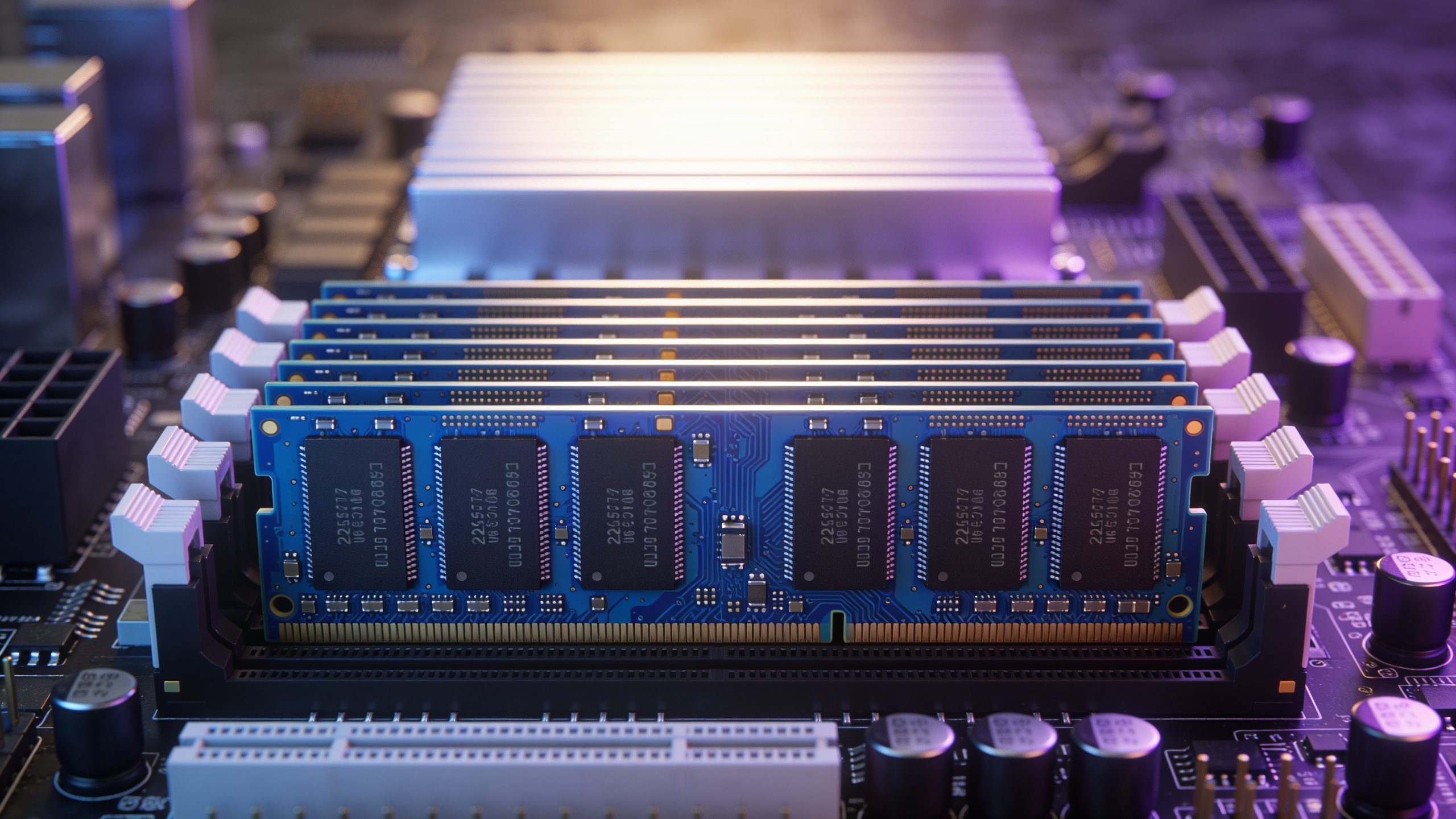
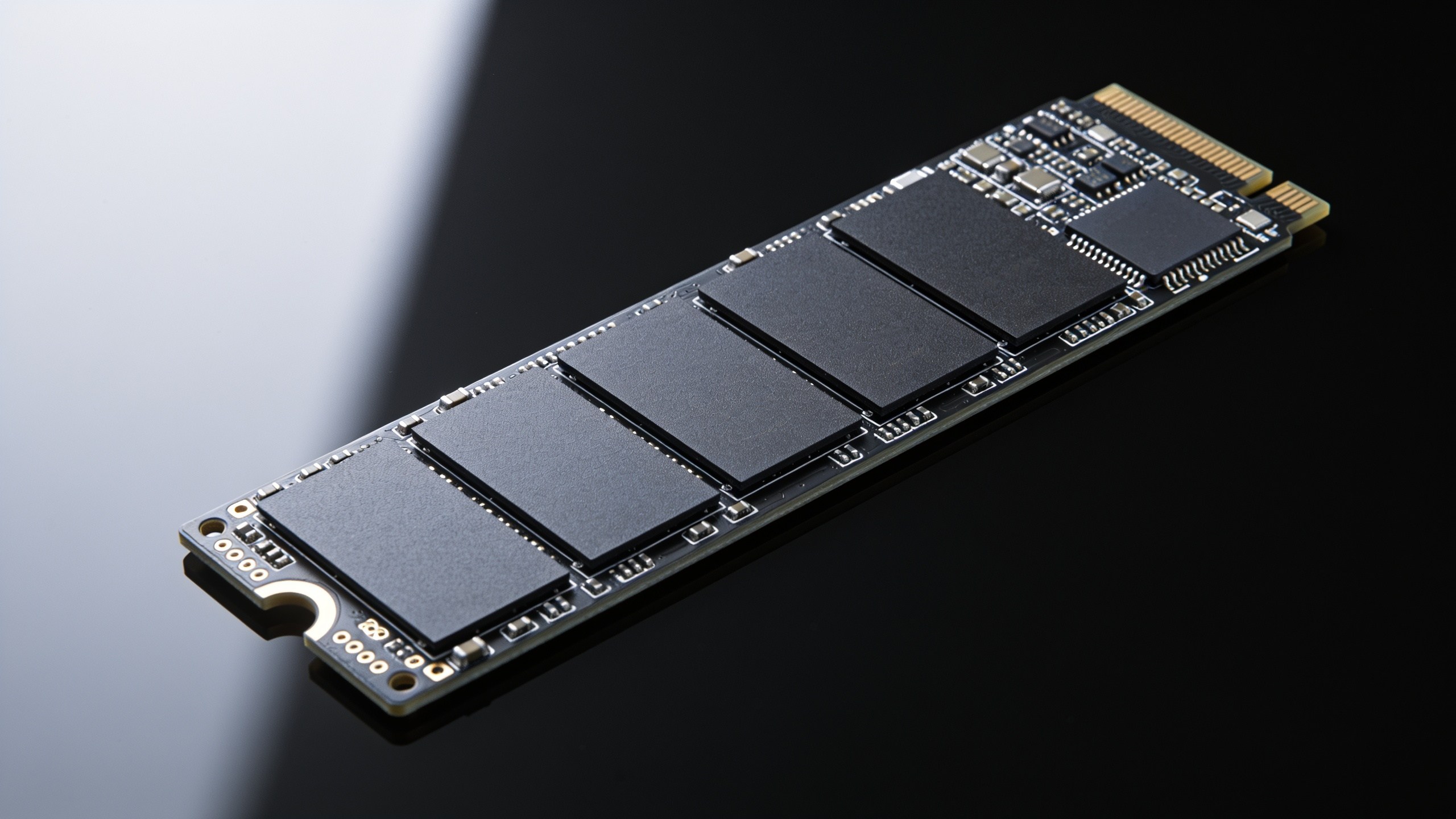
In the South Korean market, SK Hynix (SKHY.US) shares plummeted more than 8% intraday, and Samsung Electronics fell 7.9%, both hitting their lowest intraday levels since August. Earlier reports said ChangXin Memory made progress with next-generation technology to increase memory density and is considering launching server memory products based on this architecture by the end of the year. This news heightened concerns about the competitive landscape, pricing power, and profit margins in the memory chip sector.

Pepperstone analyst Chris Weston pointed out that China continues to narrow its competitive gap with US firms in AI models, humanoid robots, memory, and other technology supply chains. Its ability to develop more competitive products at lower costs is challenging market assumptions about the durability of market share, pricing power, and profit margins.
Japanese technology stocks were also under pressure. SoftBank Group fell about 8% due to its large exposure to the global AI industry, leading declines in Japan’s semiconductor and electronics sectors. Kioxia plunged over 12%, Tokyo Electron and Renesas Electronics dropped around 6%, and Advantest, Lasertec, and Disco all fell about 5%. TSMC (TSM.US) slipped nearly 2%, dragging Taiwan’s stock market down more than 2%. Hong Kong, mainland China, Australia, and New Zealand stock markets also recorded significant losses.
“Fragile” AI Sentiment
This sell-off continued the weakness from Wall Street overnight. The Nasdaq Composite fell 0.44% on Monday, Micron Technology (MU.US) dropped nearly 4%, and SanDisk (SNDK.US) slumped 6%. The global technology sector had only just begun a slow recovery from the summer’s sharp sell-off, a correction that wiped out trillions of dollars in market value due to high valuations and uncertainty over the timing of AI investment returns.
Vey-Sern Ling, Senior Equity Advisor at UBS, said investor sentiment is tense and many are looking for excuses to take profits on this year’s outperforming AI-related stocks, especially memory chip stocks.
Phillip Wool, Chief Market Strategist at Rayliant Global Advisors, believes the breakthrough at ChangXin Memory is a key milestone for Chinese chipmakers, demonstrating their ability to overcome technical barriers and potentially challenge established players earlier than expected. However, he added, the market reaction is disproportionate to the direct competitive threat, as ChangXin Memory has yet to demonstrate mass production capabilities and still trails Samsung and SK Hynix in market share.
He highlighted that the current discussion doesn’t even involve HBM, a field where Korean chipmakers still maintain an undisputed lead and are unlikely to be threatened by firms like ChangXin Memory in the foreseeable future. Therefore, he tends to interpret this sharp sell-off as a sign that AI sentiment is currently very fragile and warned that volatility could persist as investors re-evaluate chip demand and the duration of pricing power for semiconductor manufacturers.
Meanwhile, the sustainability of AI business models has become another focus. Broadcom (AVGO.US) CEO Hock Tan compared recent investor enthusiasm for AI investment to gambling, saying, “A lot of investors don’t know what they’re investing in,” and that they are setting extreme expectations only to find out it’s almost like being in a casino.
He further warned that the industry has not yet found a sustainable model and mentioned that OpenAI, the developer behind ChatGPT, has reported billions in losses. Hock Tan noted that OpenAI is still losing money now due to enormous training expenses. Although there is significant potential revenue growth from providing cutting-edge generative AI models, not much more can be said at this stage.
Reportedly, OpenAI’s annualized revenue was $5 billion as of September, which is seen as a signal for a viable business model, but the long-term guarantees remain limited.
Pepperstone’s Weston added that the financing needs behind AI development are becoming an increasingly important consideration for investors, especially as questions over capital intensity and future returns become more acute. Intel (INTC.US) CEO previously warned that even as demand for computing infrastructure continues to outpace supply, capital access channels could become a major headwind for the AI boom. Traders are watching large tech company earnings reports this and next month, as well as US inflation data, to gauge the AI industry outlook and interest rate path. Interest rates generally move inversely to growth stocks.
In addition, the Middle East situation and the oil market have also attracted attention. On Monday evening local time in Riyadh, several strong explosions occurred after the Houthis recently carried out a series of attacks on the Saudi capital’s airport, resulting in at least 18 deaths.
A Houthi official warned the US on Monday that it would face a “painful response” if it intervened in the Yemen war. Earlier reports indicated that Saudi Arabia requested Washington’s help to deal with the group. The Yemeni civil war reignited in July, with the Saudi-led military coalition supporting the government against the Iran-backed Houthis. The broader regional conflict has disrupted energy markets and pushed the Middle East into crisis.
The Houthis have rapidly targeted Saudi oil facilities, tankers, and transport hubs, including a series of deadly strikes on Riyadh airport, impacting the world’s largest oil exporter. Nevertheless, both major crude oil contracts fell more than 1% on Tuesday, but Brent crude remained above $100, maintaining ongoing upward pressure on global inflation.
Disclaimer: The content of this article solely reflects the author's opinion and does not represent the platform in any capacity. This article is not intended to serve as a reference for making investment decisions.
You may also like
Tom Lee warns of ETH risk as Korean stock crash triggers crypto sell-off
Morgan Stanley: Storage stocks often look the cheapest at the cycle peak, but are actually very risky
Morgan Stanley points out that the AI-driven storage supercycle is still ongoing, with strong price and earnings performance expected to continue. However, the upside potential for storage stocks may be limited as optimistic expectations are already fully priced in. Storage stocks often appear cheapest at the cycle peak, but a low P/E ratio does not necessarily mean undervaluation; share prices tend to peak before earnings do—approximately four months early in 2008 and 2012, and about eight months early in 2018. With additional production capacity gradually being released in the second half of 2027, changes in supply and demand may trigger a cyclical turning point.
Can Musk’s lengthy post really ruin Micron's super bull market?
Global Bond Market Turmoil Not Over? IMF Sounds the Alarm: Rising Risks of Debt and Inflation, Yields May Surge "Disorderly"
The International Monetary Fund has warned that with worsening debt and inflation risks, bond yields may experience a "disorderly" surge.
Crypto prices
More


