
Oil prices and the euro resonate, signaling an inflection point for major assets

FXStreet Oct 6 News—— The global macro market is currently experiencing a clear turning point in style. The previously dominant combination of "high inflation, high yields, strong dollar" is quickly loosening.
The global macro market is currently seeing a clear turning point in style. The previously dominant trio of "high inflation, high yields, strong dollar" is rapidly softening.
Oil prices have peaked and pulled back for now, a fundamental turning point for the euro is emerging, and overseas institutions are collectively bullish on the allocation value of US Treasuries. These multiple signals have resonated, pushing the dollar index and US Treasury yields down simultaneously, thoroughly opening up long-side recovery space for assets like gold and non-dollar currencies. Market pricing logic for major asset classes is going through a new phase of restructuring.
Oil Market Reaches a Major Turning Point: Energy Inflation Risk Premium Quickly Recedes
The core driver behind this round of global high inflation and high interest rates was the energy supply risk premium stemming from Middle East geopolitical conflicts.
Earlier, the Yemeni Houthi forces controlled the chokepoint in the Red Sea, and Persian Gulf shipping was restricted. The market was extremely worried about a collapse in global crude supply, which kept pushing Brent prices close to $100, forming the core underlying logic supporting high US Treasury yields and a strong dollar.
However, at present, the one-sided panic narrative in the oil market has completely reversed, with multiple marginal positive factors emerging simultaneously.
US Energy Secretary Granholm has confirmed that diesel prices had peaked weeks ago. Even though the Strait of Hormuz remains a conflict risk region and crude prices are still fluctuating at high levels, overall oil prices have entered a downward channel.
More critically, the market’s most extreme tail risks have been averted.
Meanwhile, policy actions have shored up supply globally: G7 has officially announced the release of a total of 100 million barrels of crude and diesel from emergency strategic reserves, Italy has confirmed its participation in the release plan, and the IEA will finalize release details at the meeting on October 14–15. The market narrative has shifted from "geopolitical supply panic" to "policy-driven supply support."
The biggest change in the market now is that oil prices do not need to crash; as long as they stop hitting new highs and return steadily, it is enough to keep suppressing inflation expectations and squeeze out inflation risk premiums, directly undermining the upward momentum in long-term US Treasury yields.
However, Iran’s Supreme Security official Rezaei has stated that Iran will not open the Strait of Hormuz due to threats or pressure. Yet, considering that prolonged blockage of Iranian crude exports threatens its domestic economy and supply has shown a significant rebound, oil prices have not significantly retraced.
Multiple Fundamental Boosts for Euro, Institutions See a Reversal
The key logic behind the sustained strengthening of the dollar was market concern over Europe’s high energy dependence. Surging oil prices boosted imported inflation and suppressed economic growth, resulting in a “strong US, weak Europe” pricing pattern.
But now, this gap is quickly narrowing, and the euro is experiencing a threefold recovery in fundamentals, industry, and market expectations.
Combined with the continuous retreat in oil prices, Europe’s energy import costs are falling sharply, and the current account is marginally improving, thoroughly repairing the euro’s fundamental weakness.
With positive fundamental and industrial catalysts resonating, market expectations have completely reversed.
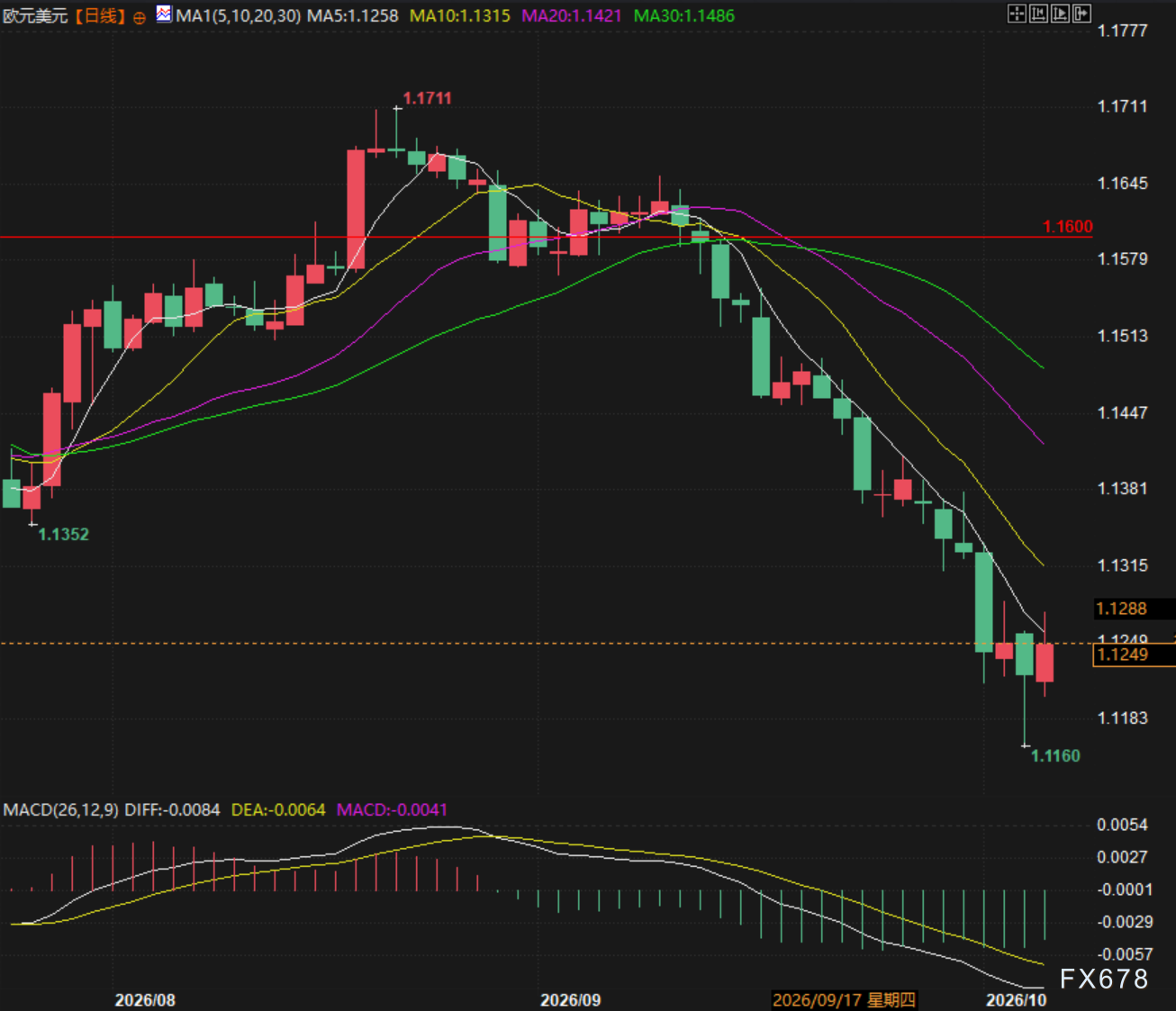
(EUR/USD Daily Chart, Source: EFXStreet)
Long-term US Treasury Yields Peak as Foreign Giants Begin Left-Side Allocation
Previously, US Treasuries kept plunging and yields hit 24-year highs, driven by both inflation risk premiums and high fiscal deficit concerns, with extreme market pessimism fully priced in.
Top global asset manager PIMCO was the first to confirm an inflection point. Senior advisor Harrington said that after this round of sharp increases, US Treasuries now have very strong allocation appeal, and institutions are proactively adding duration exposure.
Institutions believe that regardless of whether US growth stocks correct or the US economy slows, bonds will highlight their defensive value, and any further rise in long-term rates is largely capped.
Macro Logic Loop: Declining Interest Rates and Dollar Open Windows for Gold and Growth Trades
The market now has a clear macro transmission chain: Oil prices stabilizing and pulling back squeezes out inflation premium → long-term US Treasury yields peak and decline → overall market discount rates fall; meanwhile, European economic expectations recover and the euro rebounds → dollar index comes under pressure and weakens.
A weaker dollar + declining real rates provide the textbook double boost for gold; at the same time, falling discount rates will also comprehensively repair the valuations of tech growth assets with high duration, shifting the overall style of major assets from "inflation resistance" to "recovery and valuation repair."
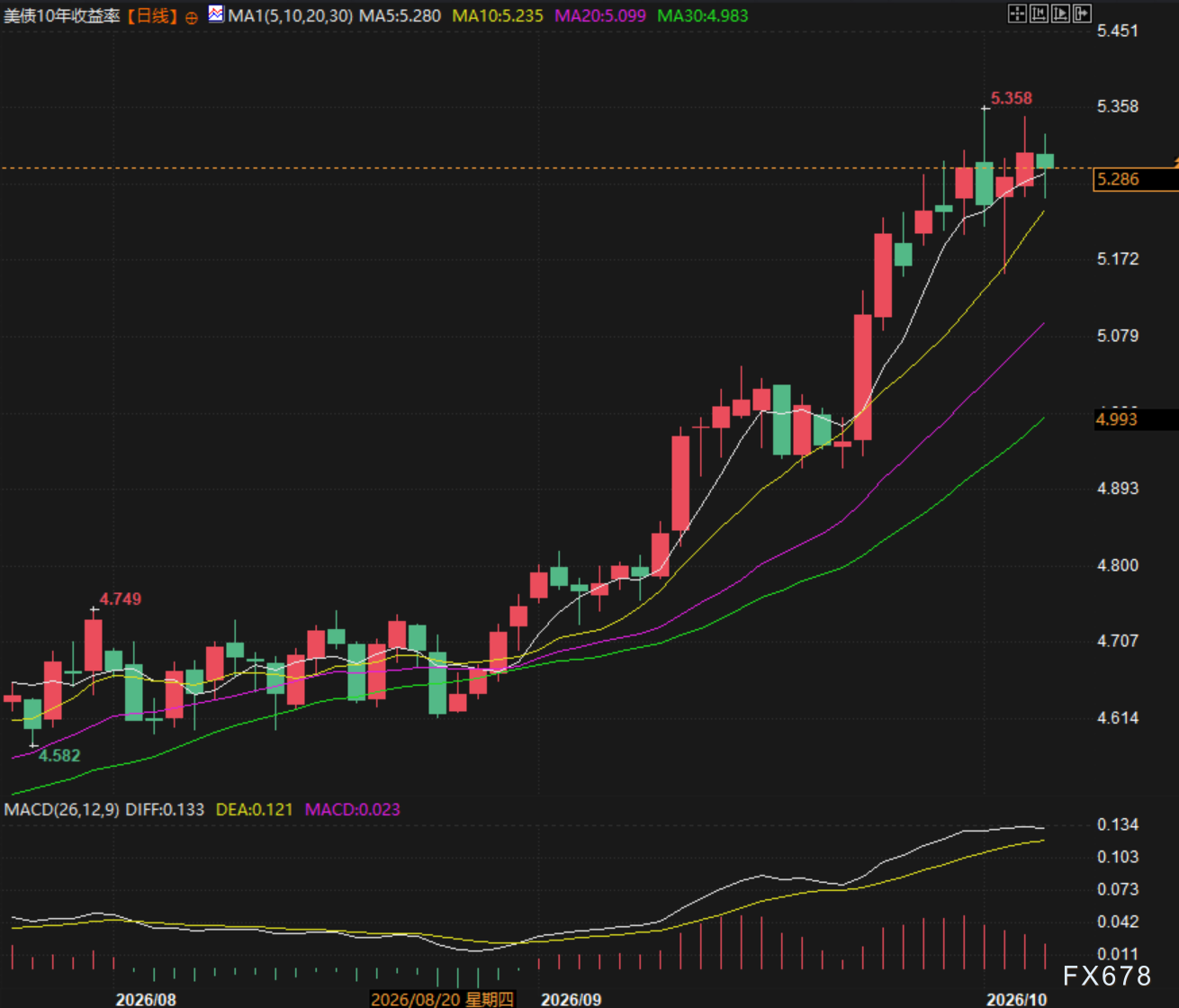
(US 10-Year Treasury Yield Daily Chart, Source: EFXStreet)
Summary: Market Enters a Key Turning Window
The previous dominant logic of "geopolitical inflation pushing up rates, strong dollar suppressing risk assets" has completely faded away. The current main theme has shifted to easing inflation, peaking rates, and a weaker dollar.
An economic recession is not necessary; simply a retreat in geopolitical risk, repaired supply expectations, and rationalized valuations can support this rotation in asset styles.
As long as oil prices do not rebound violently, the current bullish pattern is set to continue in the short term, with gold, the euro, US Treasuries, and growth assets all simultaneously arriving at clear left-side long entry points.
Disclaimer: The content of this article solely reflects the author's opinion and does not represent the platform in any capacity. This article is not intended to serve as a reference for making investment decisions.
You may also like
Charles Schwab Executive Says: “This Crypto Cycle Is Really Different”

Matt Hougan Says “Zombie Altcoins Will Disappear,” Citing One Altcoin as a Major Exception
Republicans criticize AI danger claims, Democrats question the influence of "big tech" on the Trump administration's AI policy and demand disclosure of regulatory framework amendment procedures
A Republican senator sent a letter to the CEO of Anthropic, warning against adopting an "alarmist" attitude towards AI and urging him to emphasize AI's potential to improve people's lives, enhance national security, and address AI threats. Meanwhile, two Democratic senators wrote to U.S. government officials, including the Treasury Secretary, requesting clarification on whether tech giants influenced the government's adjustment of the AI regulatory framework through lobbying between May and June of this year, and called for the disclosure of records of communication between companies and the government.

Houthi Forces Strike Saudi Arabia, Hormuz Oil Tanker Attacked Again, but Saudi Arabia Says Key Oil Pipeline Operations Restored Over 80%
The Yemeni Houthi forces claimed to have launched three rounds of attacks against Saudi Arabia on Monday, including strikes on the capital's airport; on Tuesday, they launched dozens of attacks on Saudi-backed armed groups, killing or wounding more than 200 people. Saudi Arabia reported that two airports were hit. The Saudi Energy Minister stated that as of Tuesday, the east-west oil pipeline throughput had recovered to 5.8 million barrels per day. On Tuesday, the UK Maritime Trade Operations reported that a tanker leaving the Strait of Hormuz was hit by an unidentified flying object. The Shell CEO stated that Middle Eastern oil flows have recovered to about 80% of pre-Iran conflict levels.
Crypto prices
More


