
Dollar Weakens: Market Weighs US Treasury Buybacks and Iran Tensions

FX678, August 21—— Even as the market effects from U.S. Treasury bond buybacks gradually faded, the dollar began to decline again; gold again broke through the $4,500 mark, driven by rising oil prices amid heightened U.S.-Iran tensions; the Japanese yen failed to strengthen despite increased expectations for a Bank of Japan rate hike; U.S. stocks closed lower, dragged down by bond market volatility and geopolitical risks.
On Friday (August 21) during the European session, even as the market effects of U.S. Treasury bond buybacks gradually faded, the dollar began to fall again; gold once again broke through the $4,500 mark, supported by rising oil prices amid increased U.S.-Iran tensions; rate hike expectations for the Bank of Japan strengthened but failed to boost the yen; U.S. stocks closed lower, weighed down by bond market volatility and geopolitical risk.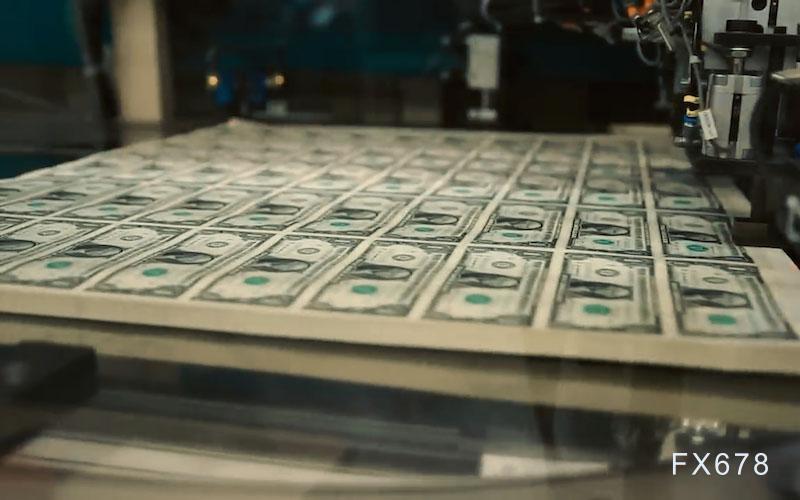
On Thursday, the dollar attempted to stabilize, rebounding against the Swiss franc and yen, temporarily halting losses versus the euro. However, it remained at a disadvantage against higher-risk currencies such as the Australian dollar, New Zealand dollar, and Canadian dollar. Today, the dollar weakened again against all major trading partners.
This brief period of dollar stabilization may have stemmed from the U.S. Treasury's announcement to at least double the size of long-term bond buybacks, which provided a short-term market effect. The rise in long-term U.S. Treasuries later faded, and yields on 10-year and 30-year bonds rebounded.
Nevertheless, U.S. Treasury Secretary Besant stated overnight that in order to curb rapidly rising yields, the U.S. may further expand the size of its bond buyback program. This could be the reason for today's renewed dollar weakness, even as market expectations for a Federal Reserve rate hike in September rose slightly. According to fed funds futures, the probability of a rate hike by the Federal Reserve in September is up to 35%, with market pricing showing a cumulative increase of 40 basis points by the end of 2027.
Ceasefire agreement expires, Trump threatens harsher sanctions on Iran
The slight uptick in Fed rate hike expectations may be related to deteriorating Middle East conditions and tense U.S.-Iran rhetoric. The temporary ceasefire between the U.S. and Iran expired on Monday, and both sides showed no interest in resuming negotiations over Hormuz Strait navigation.
Overnight, Trump stated, "No one has ever given Iran such a good negotiating opportunity," but Iran missed it. He pledged to increase sanctions on Iran and warned that any country providing support to Iran would face "extremely heavy" economic consequences. Treasury Secretary Besant reaffirmed that the U.S. would impose severe restrictions on Iran, stating these measures could reduce the need for military action.
Oil prices remain elevated, international gold price breaks $4,500
Oil prices continued their upward trend, although today's gains slowed. The ongoing standoff intensified market concerns over energy supplies. However, the rise in oil prices did not boost the dollar nor suppress gold prices. This is mainly because it is difficult to reignite inflation panic unless the situation escalates into a large-scale military conflict, as the weak July inflation data also suggests.
Due to a weaker dollar, more cautious rate hike expectations, and additional factors such as the U.S. Treasury seeking to suppress long-term yields, the opportunity cost of holding gold has declined, and gold prices moved even higher today.
The gold price successfully broke through the key $4,500 mark today, with prospects of challenging the May 29 high near $4,600. If there is a further breakout, it would send a strong bullish signal and could even challenge the record high of $4,775 set on May 12.
The yen continued to depreciate yesterday. This indicates that even after joint FX intervention by the U.S. and Japan at the end of July, dollar-yen traders still prefer to rebuild long USD positions.
Data released overnight showed that Japan's July core inflation accelerated, reinforcing expectations that the Bank of Japan might raise rates at its upcoming policy meeting. Overnight Index Swaps (OIS) indicate a 67% probability of a Bank of Japan rate hike at this meeting, and investors expect a cumulative rate increase of about 100 basis points by the end of 2027.
However, the market believes that divergence in monetary policy between the Fed and the Bank of Japan has reached an extreme, which is why traders continue to go long USD/JPY. Given the current situation, it will be difficult for the Bank of Japan to adopt a more hawkish stance in the future. Japanese Prime Minister Sanae Takaichi wishes to stimulate the economy through increased fiscal spending, which requires the maintenance of low interest rates to ensure the attractiveness of bonds. The Prime Minister could even influence the Bank of Japan's policy decisions by nominating dovish members to the Policy Board.
Tensions in the bond market have not eased, and U.S. stocks closed lower yesterday with the Dow Jones Industrial Average leading the decline. Tough rhetoric from the Middle East conflict also had a negative impact on equity markets.
Although U.S. stock index futures suggested a higher open today, investors remain concerned about valuations. The rise in oil prices has not yet rekindled market worries about inflation and rate hikes; however, if the situation were to deteriorate and rate hike expectations intensified, this would weigh heavily on high-growth technology companies whose valuations are highly dependent on discounted future cash flows.
Disclaimer: The content of this article solely reflects the author's opinion and does not represent the platform in any capacity. This article is not intended to serve as a reference for making investment decisions.
You may also like
CRV traders turn bearish during Curve DAO’s 14% rally – Just bad timing?
Ethena’s 170M $ENA Round-Trips Through FalconX — Returns Worth $9.59M More in 3 Days

Consumer spending and private investment support growth! Amid several data "red flags," economists raise US Q3 GDP growth forecast to 2.5%
Economists have raised their forecasts for U.S. third-quarter economic growth, reflecting higher expectations for consumer spending and private investment, including capital expenditures related to artificial intelligence (AI).

Bitcoin Tests Final Resistance Levels Before Confirming Bull Market Commencement

Crypto prices
More


