
Gold set to rise for the third consecutive week! Debt pressure becomes new fuel for gold price surge

Gold prices continued to rise on Friday, poised for a third consecutive week of gains. The market believes that a weaker US dollar, the expansion of US Treasury bond buyback operations, investors' reassessment of the interest rate path and global debt risks, as well as escalating US-Iran economic threats, have jointly driven the recent gold rally.
As of press time, spot gold was up about 0.4% for the day, trading at $4536.7/ounce, reaching its highest level since early June. So far this week, gold prices have cumulatively risen about 3.6%. US gold futures prices have also climbed, at one point breaking above $4600/ounce during Friday trading.
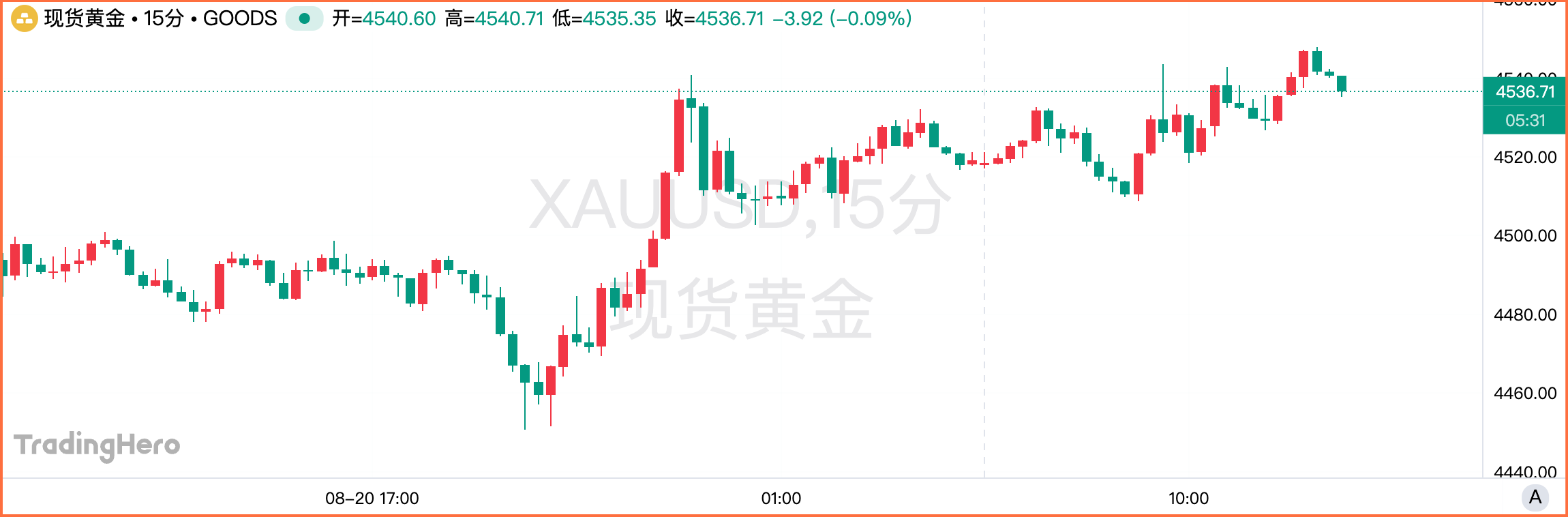
GoldSilver Central Managing Director Brian Lan stated that the weakened US dollar is supporting gold and other precious metals prices, while the recent significant changes in bond yields have also become an important driver of market adjustments.
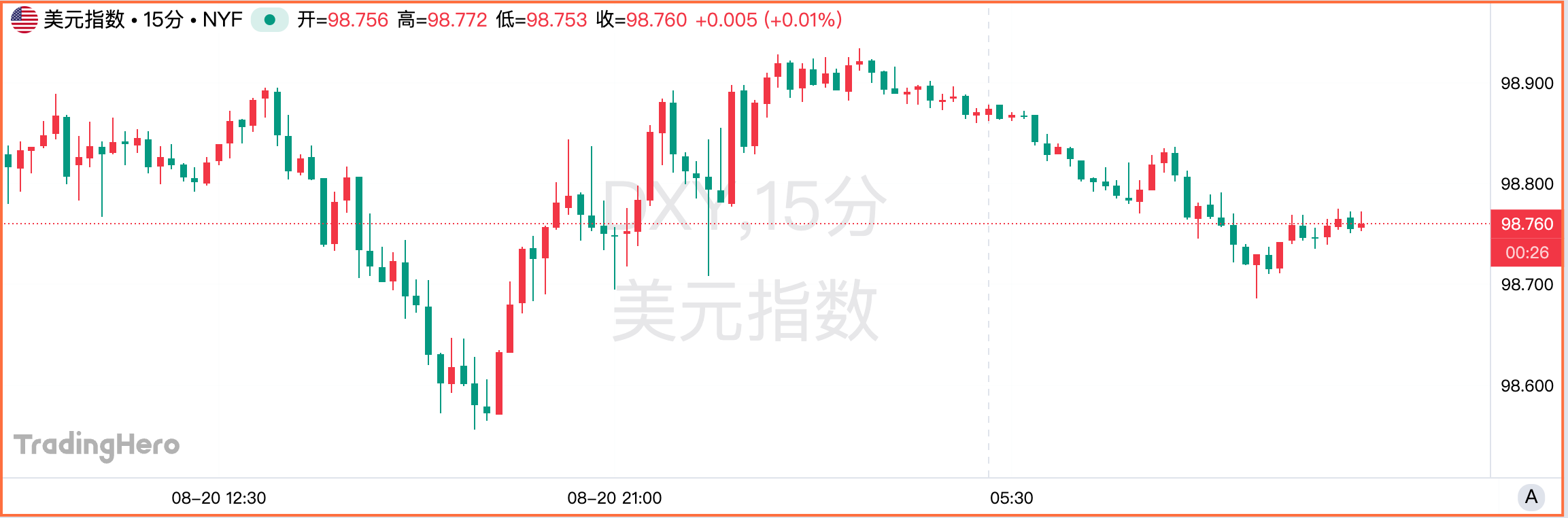
The US Dollar Index has continued to fall this week, hovering near 98.76 as of press time, down 0.11% for the day. Typically, a weaker dollar boosts the appeal of gold because it is priced in dollars, lowering the purchase cost for non-dollar investors.
The current gold rally is also influenced by the US Treasury's debt management measures. Treasury Secretary Besant said the government may further expand the scale of US Treasury bond buybacks.
Earlier, the US Treasury announced that over the next quarter, it will double the size of long-term Treasury bond buybacks, with each operation involving at least $400 million. The Treasury aims to improve liquidity in the long-term bond market and ease financing pressures brought on by rising long-term yields by buying back long-term bonds and increasing the issuance of short-term Treasury bills.
Bond buybacks do not reduce the overall US government debt, but instead adjust the debt maturity structure. The market is currently focused on whether these operations will have a sustained impact on bond yields.
Because gold itself does not yield interest, when bond yields decline or the market expects lower interest rates, the opportunity cost of holding gold typically decreases, thereby enhancing gold's attractiveness.
Brian also indicated that the future upside for gold will depend on the next steps from the Federal Reserve and how related policies affect market expectations for interest rates. Recently, in discussions about how the Treasury’s debt management adjustments might impact monetary policy, two Fed officials expressed a cautious stance.
The market is currently reevaluating the future path of Federal Reserve interest rates. According to the CME FedWatch Tool, traders estimate a 64% probability that the Fed will keep rates unchanged next month, and a 36% probability for a rate hike.
US employment data is also influencing market judgments. Data released by the Department of Labor on Thursday showed that initial jobless claims edged lower last week, indicating the job market remains stable.
Previously, July's nonfarm payrolls data unexpectedly fell, but there are currently no signs of significant deterioration in the US labor market, which allows the Federal Reserve to maintain its focus on controlling inflation.
US-Iran Economic Threat Escalation
In addition to financial market factors, geopolitical risks continue to underpin gold's safe-haven demand.
Besant stated that the US will impose "the most severe sanctions in history" on Iran. Meanwhile, senior Iranian officials revealed that Tehran is planning an "economic war" targeting the US midterm elections in November, with intentions to strike Saudi Arabia’s Yanbu oil pipeline terminal and the UAE's Fujairah transshipment hub—two critical oil bypass routes—and to heavily hit the US-backed "shadow fleet" support network in the Strait of Hormuz.
It’s understood that the facilities mentioned collectively have a combined daily export capacity of about 5.5 million barrels, with the "shadow fleet" responsible for around 5 million barrels per day. Should these actions be carried out, the market is concerned about a potential global oil supply gap exceeding 10 million barrels per day.
Majid Shakeri, an advisor to Iran’s parliamentary speaker, has publicly backed this strategy. He stated that Iran needs to actively create market fluctuations during the sensitive US election period, regarding it as "pre-emptive defense," by pushing up oil prices to impact the US retail market, driving up the Consumer Price Index (CPI), and increasing economic pressure on the Trump administration before the vote.
What Does Wall Street Think?
Institutions are beginning to raise their long-term forecasts for gold. Morgan Stanley believes that after surpassing $4450/ounce, gold prices are likely to break above $5000/ounce by 2027 or earlier.
Morgan Stanley noted that improving macro conditions are driving additional demand for gold ETFs, owing to fading expectations for Fed rate hikes and persistent US dollar weakness. Meanwhile, sustained gold purchases by global central banks and rising physical demand are also providing further support for gold prices.
The bank pointed out that even with long-term yields remaining elevated, gold prices have held strong, indicating growing investor concerns over fiscal risks, including mounting government debt and potential currency depreciation.
Morgan Stanley forecasts the Fed will keep interest rates unchanged until 2026, but warned that upcoming US inflation data and remarks from Fed officials could further increase market volatility.
In the short term, some market participants believe gold may face correction pressure after the rapid surge. Ilya Spivak, Global Macro Head at Tastylive, noted that gold recently saw a substantial rally, and after such sharp volatility, some correction may occur in the market.
Spivak stated that the $4400–$4500/ounce price range has already been breached. If gold can hold above this level, upward momentum may continue.
Disclaimer: The content of this article solely reflects the author's opinion and does not represent the platform in any capacity. This article is not intended to serve as a reference for making investment decisions.
You may also like
BNB trades at $648 after breaking resistance, Microsoft Azure integration announced
Ethereum Could Explode to $5K as Liquidity Rotation Sets the Stage for Altseason

Dogecoin up 10% after volume spikes by 3.5x — Are OG memecoins back?
24 Hour Crypto Recap: Here’s What Happened in the Market
Crypto prices
More


