
FOMC Minutes Drop Tonight: Hawk-Dove Battle Heats Up — These U.S. Stocks Could Be the Biggest Winners!
 2026/08/18 10:30
1. Market Expectations
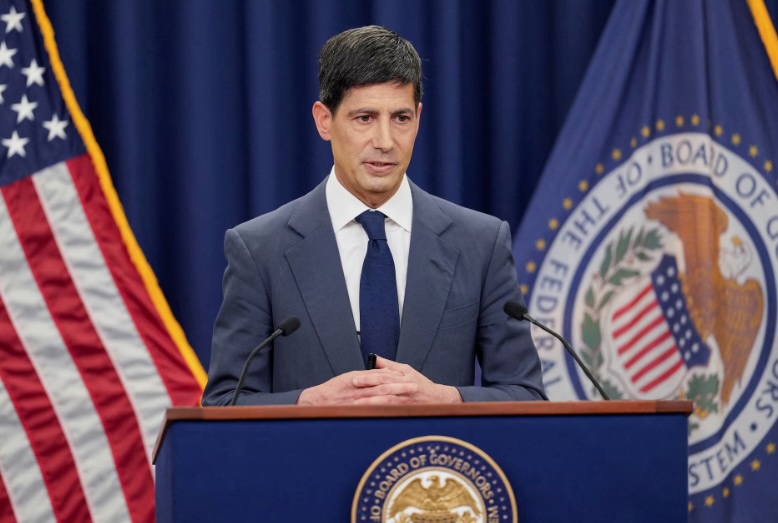
The July 28–29 FOMC meeting voted 9–3 to keep the federal funds rate target range unchanged at 3.50%–3.75%. The three dissenters (Beth Hammack, Neel Kashkari, and Lorie Logan) preferred a 25-basis-point hike — the first time since September 2016 that three policymakers dissented in the same direction.
Current market pricing (as of around August 17–18):
- Probability of a rate hike at the September 15–16 meeting: approximately 27%–30% (significantly lower recently due to softer employment data and milder CPI/PPI readings).
- Full-year cumulative hike expectations: about 22 basis points, the lowest since mid-June.
- Majority of economists (around 90% in the Reuters survey) expect the Fed to hold rates steady in September, with low odds of hikes for the rest of the year.
Chair Kevin Warsh’s communication style has been more concise (shorter statements and limited forward guidance), making the minutes more informative than usual. Markets will closely watch for the true extent of internal disagreement on inflation, the labor market, and the threshold for rate hikes.
2. Key Hawkish / Dovish Signals to Watch
- Hawkish signals: Broader support for the dissenters’ views; deepening concerns about sticky inflation (especially core PCE remaining well above the 2% target); strong language emphasizing the need to “deliver price stability”; comments suggesting the labor market remains tight or financial conditions are too loose.
- Dovish signals: Most members view the dissenters’ position as relatively isolated; acknowledgment of recent labor market softening and modest improvement in inflation; emphasis on patience and waiting for more data; recognition that markets have already done some of the tightening work through rate expectations.
3. Scenario Analysis & Trading Strategy
Dovish vs. Hawkish Scenario Comparison Table
| Overall Market Reaction | Lower probability of September and year-end hikes; risk assets rebound; risk appetite returns | Higher hike probability priced in; risk assets under pressure; safe-haven demand rises |
| SPY / QQQ | Short-term rebound, testing recent highs (SPY 777–779, QQQ 733–745) | Pullback to test support (SPY 770–765, QQQ 720–715) |
| Biggest Beneficiaries / Losers | Biggest winners: QQQ, SMH Specific stocks: NVDA, AMD, MU, AVGO, TSM (high-duration AI semis most sensitive) | Biggest winners: JPMorgan (JPM), Bank of America (BAC), Chevron (CVX) Main pressure: High-valuation tech & AI stocks (especially NVDA, AMD); QQQ and SMH weaken in tandem |
| Gold | Rise on expectations of lower real rates | Initial decline, possible later divergence due to risk-off flows |
| USD & Treasury Yields | Pressure to the downside | Short-end yields rise; yield curve may steepen |
| Typical Path | Initial volatility after release → clear return of risk appetite | Sharp volatility on release → continued selling in growth stocks |
| Key Driving Logic | Lower discount rates benefit growth stocks; markets already did some tightening | Sticky inflation concerns deepen; further policy tightening still needed |
Trading Approach Before the release: Reduce position size or use options to hedge volatility. At the 2:00 p.m. ET release: Prefer limit orders and wait for the initial reaction to stabilize. After the release: Watch for price breaks of key levels accompanied by volume confirmation.
The opportunity lies in the clear directional window for rate-sensitive growth stocks. The main risk is that the minutes come in “as expected,” causing volatility to fade quickly.
Next Catalysts
- August 26: Second estimate of Q2 GDP and NVIDIA earnings (key validation of AI capex)
- August 27–29: Jackson Hole Economic Symposium
- September: Employment report, CPI/PCE, and the September 15–16 FOMC meeting (including the SEP dot plot)
Markets remain in a “wait for more evidence” mode. The minutes will provide a window into the Committee’s internal divisions, but the ultimate policy path will still depend on incoming data and communication. Traders should stay flexible and prioritize risk management.
Disclaimer: The above is for reference only and does not constitute investment advice.
Disclaimer: The content of this article solely reflects the author's opinion and does not represent the platform in any capacity. This article is not intended to serve as a reference for making investment decisions.
You may also like

Futures slide as market reacts to soaring bond yields and diesel prices
The FOMO Train Is Loading: 5 Coins Traders Could Risk on During Altseason 2026’s Next Dip

Crypto prices
More


