
Trump threatens to "bomb Oman," but oil prices suddenly plunge? Three divergences emerged in the market today

FX168 August 17th reporting — Today, the market’s main focus is every sign from the Middle East situation. On one side there is Trump’s tough comments directed at Oman, and on the other, there are rumors about US-Iran agreement extensions being approved, causing oil prices to fluctuate violently within minutes. This article breaks down the public information from four perspectives: US Treasury, Forex, Gold, and Crude Oil.
On Monday (August 17th), headlines from the Middle East repeatedly drove the market. News of the US-Iran 60-day extension agreement allegedly being approved triggered a sharp drop in oil prices, with both Brent and WTI quickly falling back; however, Trump’s threats toward Oman continued to keep supply concerns in Hormuz high. With safe-haven demand and a weak dollar, gold remained volatile at high levels, while Japanese bond yields hit a thirty-year high as the market bet on a Bank of Japan rate hike in September. Overall risk sentiment is swinging rapidly between escalation and easing.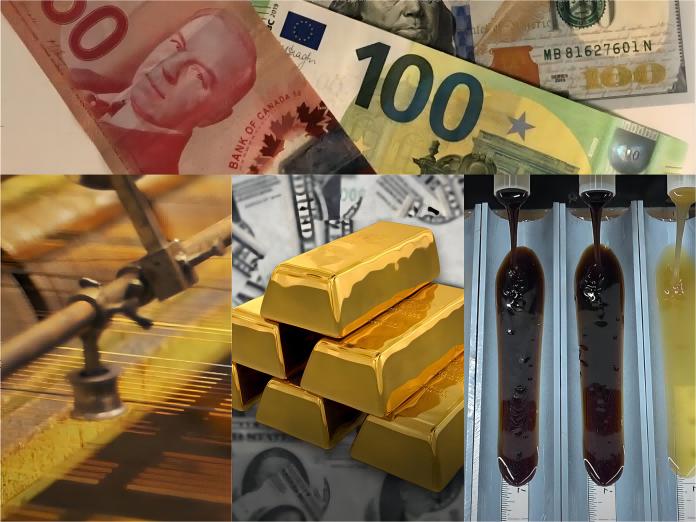
Today’s main market focus is every signal out of the Middle East. On one side are Trump’s tough remarks naming Oman, on the other are rumors of the US-Iran agreement extension being approved, leading to dramatic oil price swings in minutes. For traders, this is not simply about geopolitical headlines, but a chain reaction involving supply chains, insurance rates, inflation expectations, and central bank policy.
This article breaks down public information from four perspectives: US Treasury, Forex, Gold, and Crude Oil, highlighting mood shifts and tail risks, helping readers understand why the current market is more sensitive to "headlines" than "data".
Core Analysis
Middle East Headlines Fluctuate: Hormuz Remains A Key For Oil Prices
After Trump singled out Oman, the market first priced in the risk of escalating US-Iran confrontation, causing a short-term spike in oil prices. Later, major overseas institutions cited sources saying the US-Iran 60-day extension agreement was approved, leading to a rapid dive in oil prices, with Brent and WTI both dropping over $1. This shows that current oil pricing is highly dependent on headlines. The volume transiting the Strait of Hormuz fell by about 19.5% last week, and was nearly stagnant over the weekend, indicating real logistical disruption is still accumulating. Therefore, the decline reflects "easing expectations" more so than "actual supply restoration." If the extension agreement is proven false or a new threat emerges, the risk premium could quickly return.
Japanese Bond Yields Hit New High, Dollar Under Pressure: Gold Benefits But Beware Of Crowding
Japan’s 10-year government bond yield rose to 2.930%, marking a thirty-year high, and the market is pricing in nearly an 80% chance of a Bank of Japan rate hike in September. The yen’s strengthening is weighing on the dollar index, keeping non-dollar currencies relatively strong. Meanwhile, most Fed economists expect rates to remain unchanged this year, keeping the dollar lacking upward momentum. As a result, gold benefits from a weak dollar and geopolitical hedging, with spot gold maintaining near a two-week high. Strategists at major overseas institutions continue to reiterate a long-term bullish view on gold, with $6.3 billion inflows into gold funds last week. However, long positions are already crowded, and if geopolitics ease or US Treasury yields rebound, gold could pull back quickly.
Supply Side Fragility & Tail Risks: Easing Expectations ≠ Supply Restoration
In the Moscow region, gas stations have recovered to two-thirds operational, a clear improvement over July, but refinery maintenance in September may trigger new shortages; Azerbaijan’s oil production is down year-on-year and there is a risk of disruption in Belarus’s exports of refined oil to Russia. These factors provide indirect support for crude oil. More noteworthy is that even though Trump’s threat to bomb Oman is only at the rhetorical level, Oman is a key passage around the Strait of Hormuz. If conflict escalates, marine insurance and shipping costs will soar. The probability of actual military escalation is moderately low, but tail risk is extremely high. Traders need to distinguish between verbal pressure and real supply disruptions: the former brings short-term volatility, but the latter actually changes market trends.
Trend Outlook
In the short term, oil prices remain driven by geopolitical headlines. If the extension agreement materializes and no new military moves occur, oil prices may continue to give back some geopolitical premium; nonetheless, the continuous trough in Hormuz transit keeps supply concerns in place, limiting downside space. Gold is inclined to strong fluctuation amid a weaker dollar and safe haven demand, but needs to guard against rapid corrections from crowded long positioning. If Japanese bond yields keep climbing, this may disturb US Treasury yields globally at the long end, indirectly impacting gold and the dollar. In the medium term, if the deadlock continues, oil prices will remain high with wide swings, gold benefiting from central bank policy and de-dollarization, but market sensitivity to headlines will dull and real supply data will be needed for confirmation.
FAQ
Q: Why did news of the US-Iran extension agreement approval cause oil prices to plunge?
A: The extension agreement means short-term risk of military conflict drops, so market concern over possible Hormuz supply disruption is temporarily eased, and crude oil gives back part of its geopolitical premium.
Q: What do Trump's threats towards Oman mean for the market?
A: Oman is a key passage near the Strait of Hormuz, and a potential mediator. If drawn into the confrontation, it could magnify supply chain disruption risk. At this stage, it is mainly an emotional shock, not yet an actual loss of supply.
Q: How does Japanese bond yield hitting a new high affect forex and gold?
A: The market is betting on a Bank of Japan rate hike in September, causing the yen to appreciate and suppress the dollar index, indirectly supporting gold; meanwhile, a global rise in long-end yields may cap gold’s upward scope.
Q: Can gold continue to rise?
A: Safe-haven demand, a weak dollar, central bank gold buying, and rate cut expectations provide support, but fund inflows are quite crowded already. If geopolitics ease or US Treasury yields rebound, a quick pullback is possible.
Q: What signals should ordinary traders focus on?
A: The follow-up of the US-Iran agreement, actual Hormuz transit data, Fed meeting minutes, Bank of Japan statements, and any rhetoric about military escalation.
Disclaimer: The content of this article solely reflects the author's opinion and does not represent the platform in any capacity. This article is not intended to serve as a reference for making investment decisions.
You may also like
Bitcoin drops below 200-week moving average for first time since 2022 bear market
SoFi Is Dividing Wall Street. This Is the Bull Case for the Fintech Stock. -- Barrons.com
Is SanDisk really more profitable than DRAM? Is it really that popular?

Tutorial crypto recovers 27% – Why TUT’s rally still faces a KEY test
Crypto prices
More


