
The "False Safe Period" Arrives: When Negotiation Signals Sound, What Are the Gold, Forex, and Transportation Markets Trading?

Huitong Network, July 28—— In the past few hours, traders' heightened geopolitical nerves were briefly eased. Trump’s friendly overtures toward Iran led the market to quickly reassess the risks of a Strait disruption, causing oil prices to fall and triggering a chain reaction across the gold, forex, and shipping markets. However, history repeatedly warns us that negotiations between the US and Iran are highly volatile, and any disturbance could instantly bring back the risk premium.
On Tuesday (July 28), the market was mainly driven by geopolitical de-escalation. Both the US and Iran extended their pause in attacks and sent signals for negotiations, pushing oil prices to a one-week low, with WTI crude dropping back to around $81. The easing of short-term tensions in the Strait of Hormuz directly suppressed risk premiums in energy and shipping. Gold, caught between easing inflation expectations and shifting rate forecasts, consolidated at high levels. On the forex front, the US dollar was supported by rate hike expectations, while commodity currencies softened along with oil prices.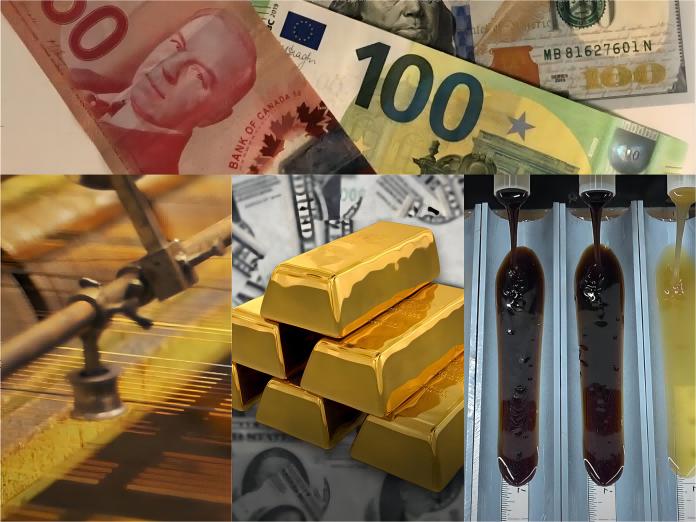
This article distills the most crucial sources of volatility from public information, deducing the shifts in sentiment and potential undercurrents across various assets to help you identify hidden tail risks beneath an apparently calm market.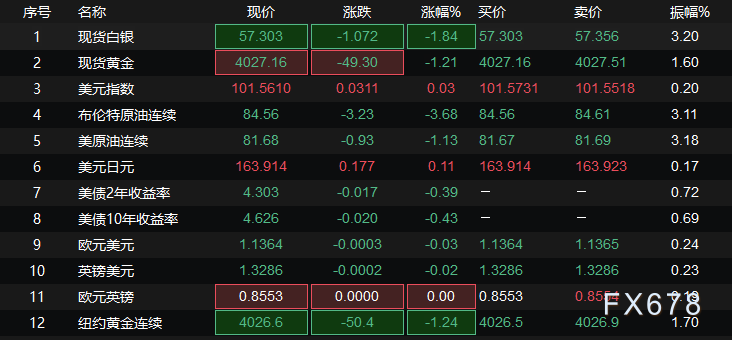
Crude Oil Market: Massive Withdrawal of Supply Risk Premium
With both the US and Iran extending their ceasefire and Trump openly expressing willingness to negotiate, the long positions built on previous Strait blockade expectations have been shaken. The Strait of Hormuz carries about 20% of global oil shipments daily, so any easing of tensions means the supply disruption premium that has accumulated in recent weeks is being rapidly squeezed out. According to prominent foreign media reports, oil prices have steadily decreased over the past few hours, with Brent crude retreating as well. However, this latest drop is fundamentally sentiment-driven rather than a structural improvement in supply and demand. Should negotiations break down, Trump has warned that military action could “resume quickly,” at which point oil could see an equally sharp reversal. In the short term, the oil market will track every major headline about negotiations, and while volatility has temporarily receded, it is far from gone.
Gold and US Bonds: Tug of War Between Interest Rate Expectations and Safe-Haven Demand
The decline in oil prices has pulled down forward inflation expectations, directly pressuring gold. Meanwhile, major overseas institutional surveys show the market is increasingly betting on a Fed rate hike this week, with US Treasury yields holding at elevated levels. This has strengthened the appeal of US dollar assets while further weakening the short-term attractiveness of non-yielding gold. However, gold prices have not collapsed and remain solidly within a high-range band. The logic is clear: the geopolitical standoff's root causes still exist—they are merely covered up for now. If negotiations falter or unexpected events occur, safe-haven demand will once again drive gold to the forefront. As a result, the current gold market is in a classic tug-of-war scenario, with “upside pressure and limited downside.”
Forex Market: Strengthening Dollar, Pressure on Commodity Currencies
Expectations of a rate hike combined with eased risk sentiment provided dual support for the dollar. Especially with geopolitical tension temporarily fading, while AI and chip sector concerns trigger localized safe-haven flows, funds favor a return to the dollar and yen. Lacking fresh positive catalysts, the pound and euro showed softness. As for currencies reliant on oil exports such as the Canadian dollar and Norwegian krone, they came under direct selling pressure due to falling oil prices. Notably, this round of dollar strength is not an across-the-board surge; it is more a reflection of rate moves and the oil price decline. Whether this trend continues depends on upcoming Fed communications and real progress in negotiations.
Shipping Market: War Risk Premium Temporarily Retreats
Previously, tensions in the Straits pushed tanker and some dry bulk shipping rates to abnormal highs, with war risk surcharges surging. Renewed hope for negotiations led shipowners and traders to marginally regain confidence in passing through the Strait of Hormuz, causing shipping indices to ease. In reality, however, many vessels are still choosing to reroute or wait for clearer signals, so actual shipping volumes are yet to recover. This means costs have only retreated from panic highs and are not back to normal levels. If talks fail, surcharges are highly likely to rebound quickly; the vulnerability of energy transport supply chains should not be underestimated.
Trend Outlook
In the short term, renewed US-Iran engagement should keep the market tilted dovish, with oil prices and shipping costs likely to ease slightly further, gold’s trading range drifting lower, and the dollar staying mildly strong. However, any interpretation of this de-escalation as a “permanent solution” hides a serious trap. Although the likelihood of talks breaking down or fresh disruptions in the Strait isn’t the mainstream view, it’s sufficient to spike oil prices over 10% within hours and trigger sharp safe-haven flows into gold and forex. From a longer perspective, the Fed’s rate path remains the core pricing driver; in a high-rate environment, precious metals will need more pronounced economic or geopolitical catalysts to break recent highs. Traders should watch closely for shifts in sentiment between negotiation headlines and Fed official statements, maintain flexibility, and avoid betting too heavily on a one-sided calm.
FAQ
Is the drop in oil prices a trend reversal?
The current decline is mainly driven by the emotional release from downgraded geopolitical fears, not a change in global supply-demand fundamentals. If negotiations progress smoothly, oil may have further moderate downside; if the situation reverses, the risk premium will swiftly return. For now, this should be seen as a short-term pullback rather than a decisive reversal.
Why hasn’t gold dropped sharply despite geopolitical easing?
Gold's downside is limited by two factors: firstly, US-Iran talks can easily break down, so tail risk still supports gold; secondly, long-term central bank gold buying and safe-haven allocation needs persist. As a result, the market is opting for high-range consolidation instead of a selloff, implying little confidence in lasting geopolitical peace.
Will the US dollar continue to strengthen?
In the near term, the dollar is supported by rate hike expectations and falling oil prices, but a one-sided rally is unlikely. On one hand, a calming environment could revive risk appetite and dampen the dollar; on the other, should negotiations break down, commodity currencies will come under renewed pressure and safe-haven flows will stir the dollar, likely resulting in a generally firm but volatile trend.
Can shipping rates return to normal now?
It is very likely that rates have only retreated from extreme highs, not normalized. Actual maritime capacity returning to the Strait will still need close observation, as most shipowners await clear safety assurances. Any new military or conflict news could quickly drive up surcharges again, with spot shipping rates remaining highly sensitive to headlines.
What is currently the greatest hidden risk?
The biggest tail risk is a sudden breakdown in US-Iran talks. Both sides have only paused attacks without signing any binding deal, while Trump keeps the military option on the table. This “false sense of security” is easy to shatter with a sudden conflict, potentially driving synchronized surges in oil prices, gold, and freight rates—currently the most critical tail event to guard against.
Disclaimer: The content of this article solely reflects the author's opinion and does not represent the platform in any capacity. This article is not intended to serve as a reference for making investment decisions.
You may also like
Institutional XRP Exposure Gains Ground

Crypto Investment Fundamentals Split Market: Tokens Fall 36% as Stocks Jump 23%
Bloomberg’s Mike McGlone warns Bitcoin could fall to $10,000 as tech stocks rally
3 Altcoins Set to Shine in 2026: Top Picks, Catalysts, and Market Trends

Crypto prices
More


