

Dogecoin has slipped below a key weekly support level, trading near $0.069, and returned to its long-term accumulation zone around $0.07. Analysts have flagged this development as a potential trigger for further downside, unless Dogecoin swiftly reclaims the $0.071 to $0.074 range.
Dogecoin falls below $0.071 support, risks further drop to $0.061
By:Cointurk
Bitget offers one-stop trading for cryptocurrencies, stocks, and gold. Trade now!
A welcome pack worth 6200 USDT for new users! Sign up now!
Dogecoin revisits accumulation zone near $0.07
The meme-inspired cryptocurrency has dropped back into the support region that has historically attracted significant buyer interest during market corrections. Trading near $0.069, Dogecoin sits in the blue zone between $0.055 and $0.080, identified by analyst Surf as a major accumulation area.
Since 2021, Dogecoin has repeatedly rebounded from this accumulation block, often following extended declines. Each recovery period has differed in strength and duration, but the zone has consistently provided buyers with an entry point.
Dogecoin’s recent decline from its peak near $0.48 in late 2024 brings the price structure into sharper focus. According to analysts, as long as price action continues forming lower highs, underlying momentum remains negative. However, the current region could still spur another round of buying if long-term supporters return.
Sustaining levels above $0.055 is critical for maintaining this multi-year support structure. A recovery to $0.08 or $0.10 would be the first sign of a shift in sentiment, though there is no conclusive evidence yet that a bottom has formed.
Dogecoin’s long-held support area has sparked rebounds in the past, but breaking below could invalidate the accumulation thesis and open the door to additional losses.
If buyers step in and defend this historical block, Dogecoin may once again find a platform for upside. Conversely, failure to hold above this threshold could allow the market to search for new lower supports.
Mini dictionary: Accumulation zone, a price region where buyers consistently accumulate an asset after extended declines, providing repeated support and often preceding price rebounds.
Bears in control after key support break
DOGE’s loss of the $0.071 weekly support has made the short-term outlook more negative. Analyst Scient pointed out that this development could indicate widespread weakness in the crypto sector, as Dogecoin is often viewed as a speculative sentiment gauge.
The breakdown occurred after another failed rally attempt at a descending resistance, signaling persistent selling pressure. DOGE is now trading just below its former support range, and buyers must reclaim $0.071 to $0.074 to reverse the technical damage.
If price stays below these levels, the chart shows $0.065 as the next immediate support, with a longer-term trendline near $0.061 offering further downside targets.
Support/Resistance Level Description
| $0.080 – $0.055 | Long-term accumulation zone |
| $0.071 – $0.074 | Key weekly resistance to reclaim |
| $0.065 | Immediate potential support |
| $0.061 | Major descending trendline support |
Unless DOGE recaptures the $0.071 to $0.074 range soon, the risk of sliding further to $0.065 and then $0.061 remains elevated.
A decisive move below $0.061 would intensify the bearish trend, potentially driving Dogecoin to new local lows inside its historical accumulation band. Until buyers recover key levels, market sentiment is likely to remain under pressure.
0
0
Disclaimer: The content of this article solely reflects the author's opinion and does not represent the platform in any capacity. This article is not intended to serve as a reference for making investment decisions.
Understand the market, then trade.
Bitget offers one-stop trading for cryptocurrencies, stocks, and gold.
Trade now!
You may also like
Nvidia (NVDA.US) plans to invest $3 billion to enter SB Energy: from selling chips to securing the OpenAI "electricity-park-computing power" chain
Analysts point out that Nvidia may be able to intervene early in a critical aspect of GPU order fulfillment by investing in the developer of OpenAI’s data centers.
智通财经•2026/08/16 05:06

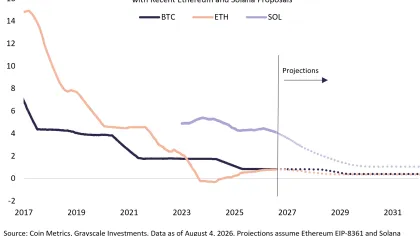
Ethereum and Solana may become scarcer – THESE Grayscale projections say…
AMBCrypto•2026/08/16 05:03
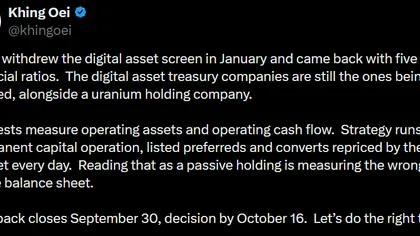
‘Bitcoin doesn’t need MSCI’ – Strategy fires back as MSTR deletion odds hit 73%
AMBCrypto•2026/08/16 04:03
Five factors are combining to intensify, JPMorgan: Global food crisis may erupt next year
JPMorgan has warned that driven by the combined effects of war, weather, storage, water resources, and waste, a global food crisis may erupt in the first half of 2027. The global food inflation rate is expected to rise from 2.8% in the first half of 2026 to 5% in the first half of 2027. The overlap of a super El Niño and energy shocks will push the Food CPI up by an additional 1.5 percentage points, with emerging markets such as India, Indonesia, and Brazil being the most affected.
华尔街见闻•2026/08/16 03:51
Crypto prices
More
Bitcoin
BTC
$63,007.56
-0.08%

Ethereum
ETH
$1,878.9
-0.15%

Tether USDt
USDT
$0.9990
-0.01%

USDC
USDC
$0.9999
-0.01%

XRP
XRP
$0.9990
-0.58%

Solana
SOL
$75.32
-0.12%

TRON
TRX
$0.3308
-0.47%

Hyperliquid
HYPE
$56.97
+1.55%

Dogecoin
DOGE
$0.06965
-0.73%

Zcash
ZEC
$486.83
-0.96%
How to buy BTC
Bitget lists BTC – Buy or sell BTC quickly on Bitget!
Trade now
Become a trader now?A welcome pack worth 6200 USDT for new users!
Sign up now