
The Verus-Ethereum bridge was exploited for more than $11 million, raising fresh concerns around cross-chain security and Ethereum-linked bridge risk.

The Verus-Ethereum ETH +0.00% bridge was exploited for more than $11 million after an attacker drained ETH, USDC, and tBTC from the cross-chain contract, forcing the Verus network to halt as node operators took themselves offline in the aftermath.
How the attacker drained over $11 million from the bridge
Security firm Halborn estimated the total loss at $11.58 million. The stolen assets included 1,625 ETH, 147,659 USDC, and 103.57 tBTC v2, according to reporting that cited on-chain records.
The attacker consolidated the proceeds into a single wallet. Etherscan data shows the flagged address, labeled “Verus Exploiter 2” by Blockaid, held 5,402.40 ETH worth $11,418,190.87 at the time of review. The wallet was funded directly by the Verus: Ethereum Bridge contract.
ON-CHAIN DATA
- Flagged address: 0x65Cb…25F9
- Balance at review: 5,402.40 ETH ($11,418,190.87)
- Funded by: Verus: Ethereum Bridge
- Flagged by: Blockaid
Halborn’s analysis identified the root cause as a missing validation check: the bridge contract did not verify that the input amount on the Verus side matched the payout amount on Ethereum. That gap allowed the attacker to claim far more than they deposited.
The Verus project’s official Reddit update confirmed the bridge was compromised at 11:55:23 PM UTC. ETH, USDC, and tBTC were taken from the Ethereum-side contract. Most block-generating nodes subsequently took themselves offline after encountering the attack’s byproducts, effectively halting the Verus network.
Before the exploit, Verus described its bridge as “non-custodial, based on cryptographic proofs & verified by miners and stakers” on its official bridge page. The validation gap that Halborn identified suggests the cryptographic proof framework did not extend to amount-matching between chains.
Why this exploit deepens concerns about cross-chain bridge security
The Verus incident is the eighth major bridge-related exploit of 2026. PeckShield’s cumulative tally of bridge hacks reached $328.6 million for the year through mid-May, underscoring how cross-chain infrastructure remains one of the most targeted attack surfaces in crypto.
Bridge exploits attract outsized attention because they strike at the infrastructure layer connecting otherwise isolated networks. When a bridge fails, every user who trusted it with locked assets is exposed. The pattern echoes previous incidents involving government seizure of ETH and stablecoins tied to protocol failures, where assets moved through centralized channels after trust in decentralized infrastructure collapsed.
ETH traded at $2,109.41 at press time, down 1.03% over 24 hours. The broader crypto Fear & Greed Index sat at 27, firmly in “Fear” territory, a backdrop that amplifies the market’s sensitivity to security events.
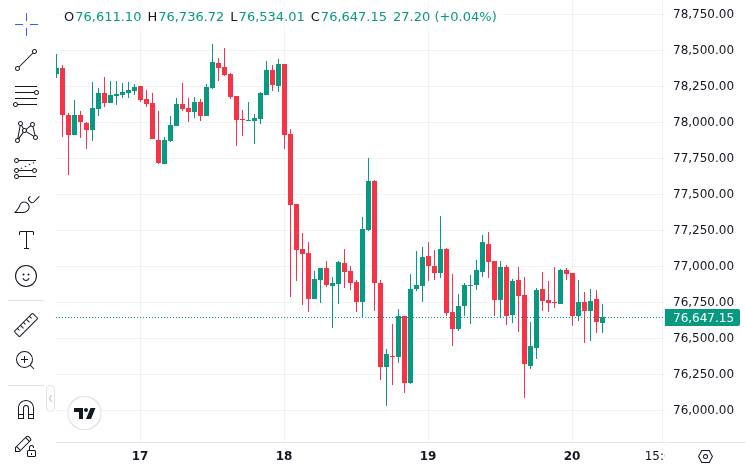 CoinMarketCap chart illustrating the price backdrop referenced in this article on ethereum.
Validation failures of this kind are not unique to Verus. Cross-chain bridges must reconcile state across two independent consensus systems, and any mismatch in how amounts or proofs are checked creates an exploitable seam. The gap between Verus’s security marketing and its actual implementation highlights how quickly confidence can erode when crypto projects face scrutiny over the distance between claims and reality.
What users and investors should watch next
No standalone postmortem from the Verus team has been published beyond the Reddit community update. Users who had assets locked in the bridge contract should monitor official Verus channels for information on whether any recovery or remediation process will be offered.
The Verus network halt remains a key variable. While the halt contained the immediate damage, it also froze all on-chain activity for Verus users. The timeline for a network restart, along with any planned bridge contract patches, will determine whether user confidence can be restored.
Investigators and security firms, including Halborn and Blockaid, have already flagged the exploiter wallet. Whether the attacker attempts to move the consolidated ETH through mixers or bridges will be closely watched. Past bridge exploits have seen mixed results on fund recovery, ranging from full restitution in some negotiated cases to permanent loss in others.
For the broader Ethereum ecosystem, the incident adds to a growing body of evidence that bridge security audits need to cover cross-chain state validation end to end. With bridge hacks already topping $328 million this year, protocols that rely on cross-chain infrastructure, including those attracting attention through emerging token narratives, face increasing pressure to demonstrate their verification models hold under adversarial conditions.
Disclaimer: The content of this article solely reflects the author's opinion and does not represent the platform in any capacity. This article is not intended to serve as a reference for making investment decisions.
You may also like
As tech stocks plummet, Goldman Sachs issued a bullish report on US stocks, but after reading it, people became even more worried...
Goldman Sachs strategist Tony Pasquariello released a bullish report, stating that market breadth is "not as bad as reported." However, the report references the internet bubble twice for comparison. Behind the tactical bullishness lie multiple concerns such as slowing profits, a surge in stock supply, and quarterly crowded positions among the "Magnificent Seven."
Apple (AAPL.US) launches wall-mounted hub HomeView to enter the smart home market; analysts: may generate new income for the services segment
Apple launches a wall-mounted hub to enter the smart home market. Analysts say it may bring new revenue to the services segment, and a paid Siri AI is on the horizon.
U.S. IPO Preview|Primagrove: Soaring Performance with a 17-Fold Increase, but the $17,000 Cash Pool Raises Concerns
From software outsourcing to integrated software and hardware.
60% of stocks have fallen into a bear market, the seven tech giants are holding up the S&P alone! BTIG: US stocks may be just a "gentle push" away from collapsing
The S&P 500 is just one step away from its all-time high, but under the surface, turbulence is brewing: 60% of its components have already entered a technical bear market, and only 30% have outperformed the index, the lowest since 1991. All of this is being supported solely by the seven major tech giants—which is, in fact, the biggest risk. With crowded positions and the semiconductor sector mirroring the path of the 2000 bubble burst, an accelerated decline could be triggered during the upcoming earnings season at the end of the month. When the market is standing on just one final leg, it doesn't take much force to topple it.

Crypto prices
More


