
Euro: Oversold Rebound Under TACO Sentiment

Morning FX
Since the outbreak of war on February 28, EURUSD has fallen from the 1.18 level to a low near 1.14. However, in the last two days, under TACO sentiment, it rebounded back to the 1.16 region.
1. Another smokescreen?
Risk sentiment has eased at the start of this week. The US is promoting a meeting between both sides in Islamabad on March 26–27, aiming first for a one-month ceasefire before advancing talks on the US “15-Point Peace Plan.” Currently, talks are still waiting for Iran's final response, and Iran has denied that formal negotiations have begun.
Looking ahead, the likelihood that this is a “smokescreen” is high, as there are fundamental conflicts in both sides' demands, making an agreement extremely difficult. Even if the meeting is held, it is likely to be only a tentative contact; if talks break down, the conflict may escalate, and oil prices and safe-haven assets may fluctuate again; if a short-term truce is reached, it would only be a tactical pause, unlikely to fundamentally resolve the issues.
US core demands: Complete removal of sanctions on Iran and support for civilian nuclear projects in exchange for Iran abandoning nuclear capabilities entirely, restricting ballistic missiles, halting support for regional armed groups, and opening the Strait of Hormuz.
Iran’s core demands: The complete withdrawal of US troops, full compensation for war damages, lifting of all sanctions, legal guarantees of non-interference in internal affairs, and refusal to compromise on core security interests.
2. Short-term analysis of the euro
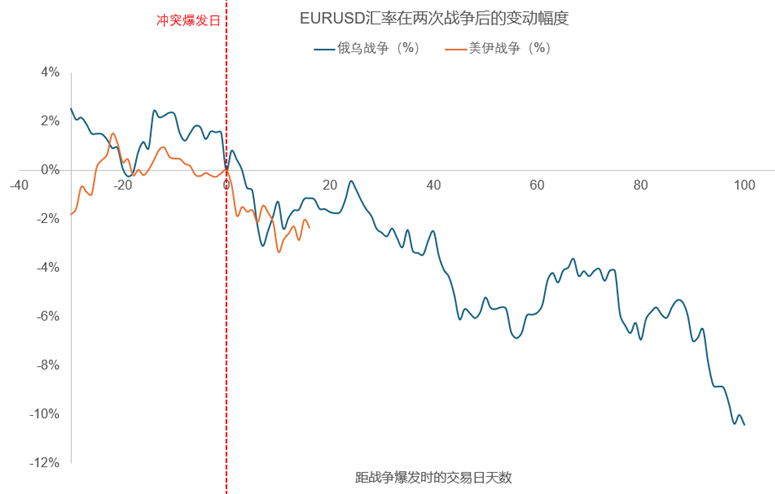
Comparing the euro’s performance in the 2022 Russia-Ukraine war with now, it seems this is just a minor rebound after an oversold move.
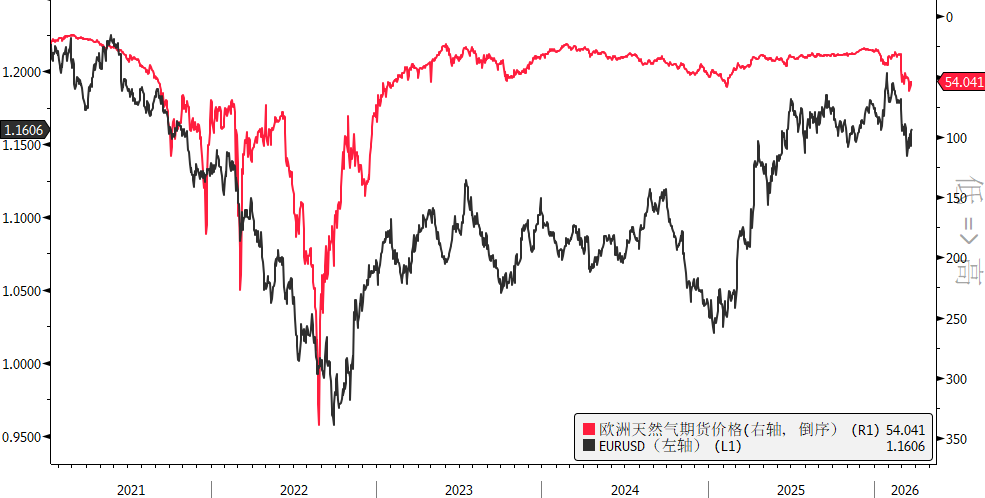
In the short term, the most important factor is still energy prices. The rise in oil and natural gas prices is bearish for the euro.
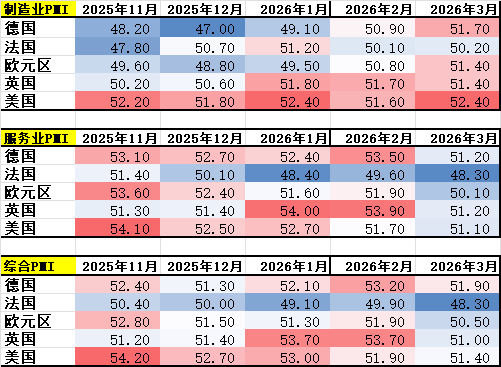
From the latest euro area PMI data, the euro area’s March PMI fell from 51.9 in February to 50.5. France’s composite PMI dropped from 49.9 to 48.3, and Germany’s composite PMI decreased from 53.2 to 51.9.
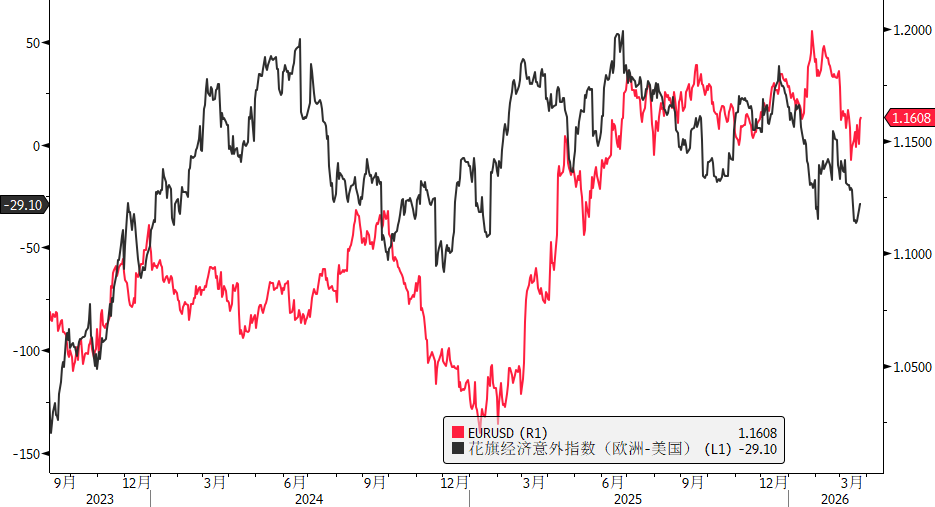
The Citi Economic Surprise Index for Europe and the US (black line below) has also dropped to the lowest level since March last year, which is negative for the euro.
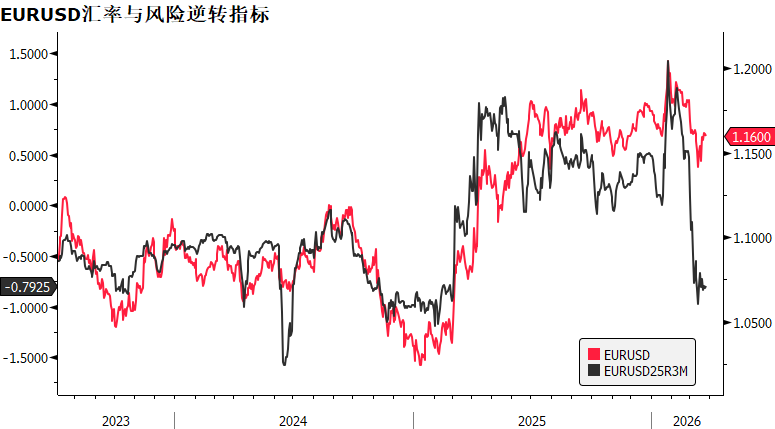
 In terms of market sentiment, the EURUSD RR has dropped to its lowest level since early 2025, indicating strong bearish sentiment towards the euro in the market.
  CFTC positioning shows a sharp decline in euro longs and an increase in shorts, with positions now close to neutral.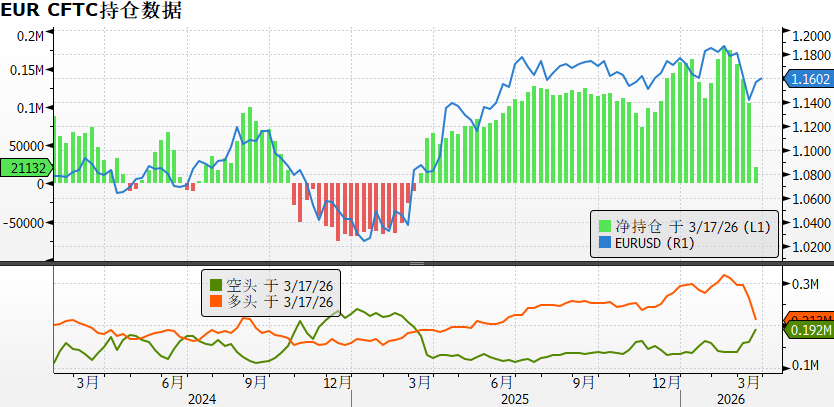
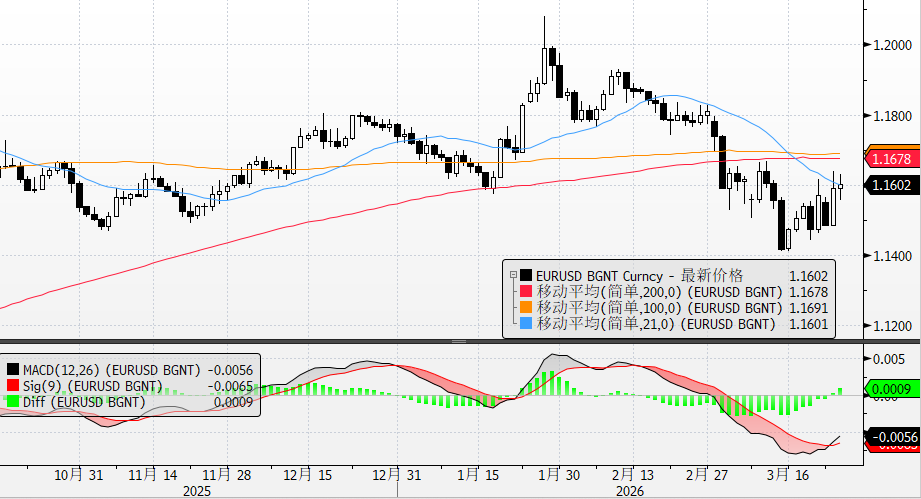
Technically, EURUSD’s MACD has turned into a golden cross and it is above the 21-day moving average at 1.16, but there is strong resistance near the 100-day and 200-day moving averages at 1.1680.
3. Conclusion
1. Although risk sentiment has temporarily eased, given the core conflicts between the US and Iran, the probability of negotiations breaking down is high.2. Referring to the euro’s performance during the 2022 Russia-Ukraine war, this may only be a small rebound after being oversold, and the fundamentals for the euro are still not optimistic.
3. In the short term, the renminbi is expected to perform better than the euro, and shorting EURCNY near 8.0 is a cost-effective choice.
Disclaimer: The content of this article solely reflects the author's opinion and does not represent the platform in any capacity. This article is not intended to serve as a reference for making investment decisions.
You may also like
Deutsche Bank: The bursting of the AI bubble may become the biggest systemic risk in the market next year; U.S. Treasury bonds are expected to attract safe-haven funds.
George Saravelos, Global Head of FX Research at Deutsche Bank, stated that since the beginning of this year, global investors' pessimism toward the bond market has become excessive. He believes the market may be underestimating the likelihood of large-scale capital flows into the bond market if significant risks emerge in the artificial intelligence industry.

Risks Hidden Behind S&P 500 Record Highs: Most Constituent Stocks Underperform, Rising Oil Prices and U.S. Treasury Yields Intensify Market Divergence
Persistently high oil prices and borrowing costs are impacting the bond, credit, and small-cap stock markets, while the strong performance of large technology stocks is masking the increasingly evident divergence within the U.S. stock market.
Elon Musk continues one-sided Ambani beef, mocks him in viral X post
Nobel laureate warns: French debt crisis may be "too big to save," eurozone faces "explosive" crisis
France's debt has reached €3.6 trillion, accounting for 119% of its GDP—the highest level since the creation of the euro. Paul Krugman, the 2008 Nobel Prize winner in Economics, warned that France is on a path of "fiscal unsustainability" and may have gone from "too big to fail" to the dangerous position of being "too big to be rescued." Its eurozone membership could trigger an "explosive debt crisis" and deliver a destructive blow to European integration.

Crypto prices
More


