
Why Borrowing Fuels Economic Bubbles That Eventually Burst

The Dangers of Rapid Credit Expansion
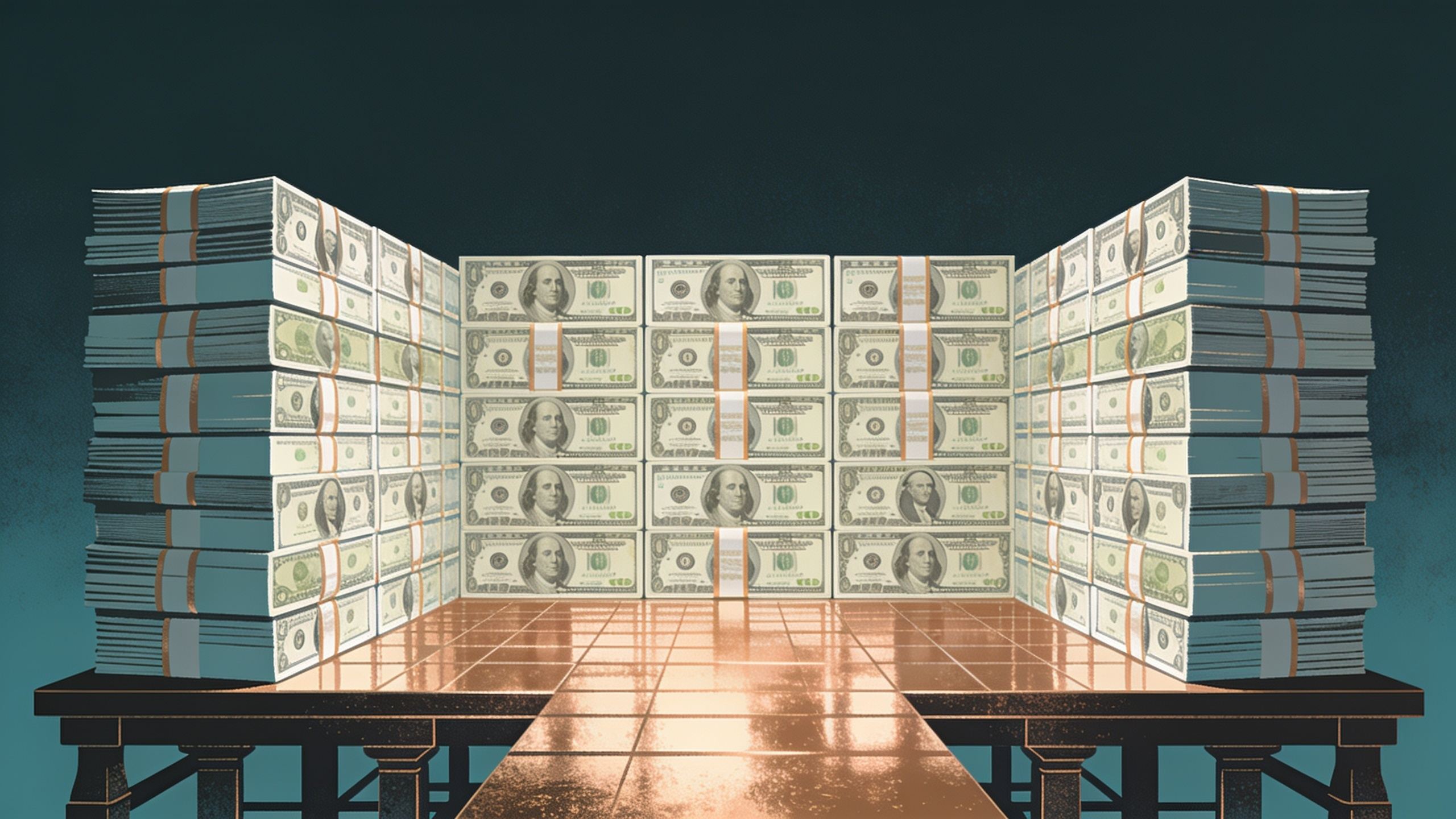
When the growth of credit outpaces the economy’s ability to invest it productively, it often leads to credit-fueled asset bubbles that can destabilize the financial system. This happens because credit—essentially money created through borrowing—can be generated in massive amounts almost instantly, while genuine productive investments grow much more slowly and steadily.
For example, following the 2008-09 global financial crisis, the Federal Reserve expanded its balance sheet by more than $3 trillion. However, this enormous influx of credit did not immediately translate into an equal amount of productive economic activity. Similarly, commercial banks have the power to create new money with just a few keystrokes when they issue loans, further amplifying this effect.
Disclaimer: The content of this article solely reflects the author's opinion and does not represent the platform in any capacity. This article is not intended to serve as a reference for making investment decisions.
You may also like
The chill persists in US aerospace and defense stocks! JPMorgan warns: Defense budget outlook dims, aviation demand cools, strong Q3 results may not reverse the downward trend.
JPMorgan believes that aerospace and defense companies are about to face a challenging third-quarter earnings season.
Goldman Sachs: Remains Bullish on Refining Industry Outlook; Valero Energy (VLO.US), Marathon Petroleum (MPC.US), and HF Sinclair (DINO.US) are Top Picks
Goldman Sachs remains optimistic about the overall environment of the refining industry and emphasizes its preference for "Buy"-rated stocks, including Valero Energy, Marathon Petroleum (MPC.US), and HF Sinclair (DINO.US).
Canadian Dollar strengthens as risk-on mood weighs on US Dollar
Crypto prices
More


