
Thailand crypto platforms freeze 10K accounts in AML crackdown: Report

Thai cryptocurrency platform operators have reportedly frozen more than 10,000 accounts suspected of being used to launder illicit funds, as the country steps up efforts to crack down on so-called mule accounts.
The freezes followed the rollout of stricter screening measures aimed at slowing suspicious crypto transfers and requiring additional Know Your Customer checks before higher-risk transactions are completed, according to local reporting from the Bangkok Post on Tuesday.
The tighter process helped operators identify and freeze more than 10,000 suspected mule accounts, Att Thongyai Asavanund, chief executive of KuCoin Thailand and chairman of the Thai Digital Asset Operators Trade Association (TDO), told the Bangkok Post.
The move builds on earlier efforts by Thailand’s Securities and Exchange Commission and the TDO to curb money laundering and investment scams involving digital assets. In February 2025, the SEC said it had worked with the TDO, the Bank of Thailand, the Cyber Crime Investigation Bureau, the Central Investigation Bureau, the Anti-Money Laundering Office and the Thai Bankers’ Association to establish additional safeguards against mule accounts.
That effort led to Thai digital asset operators reportedly freezing 47,692 mule accounts in 2025.
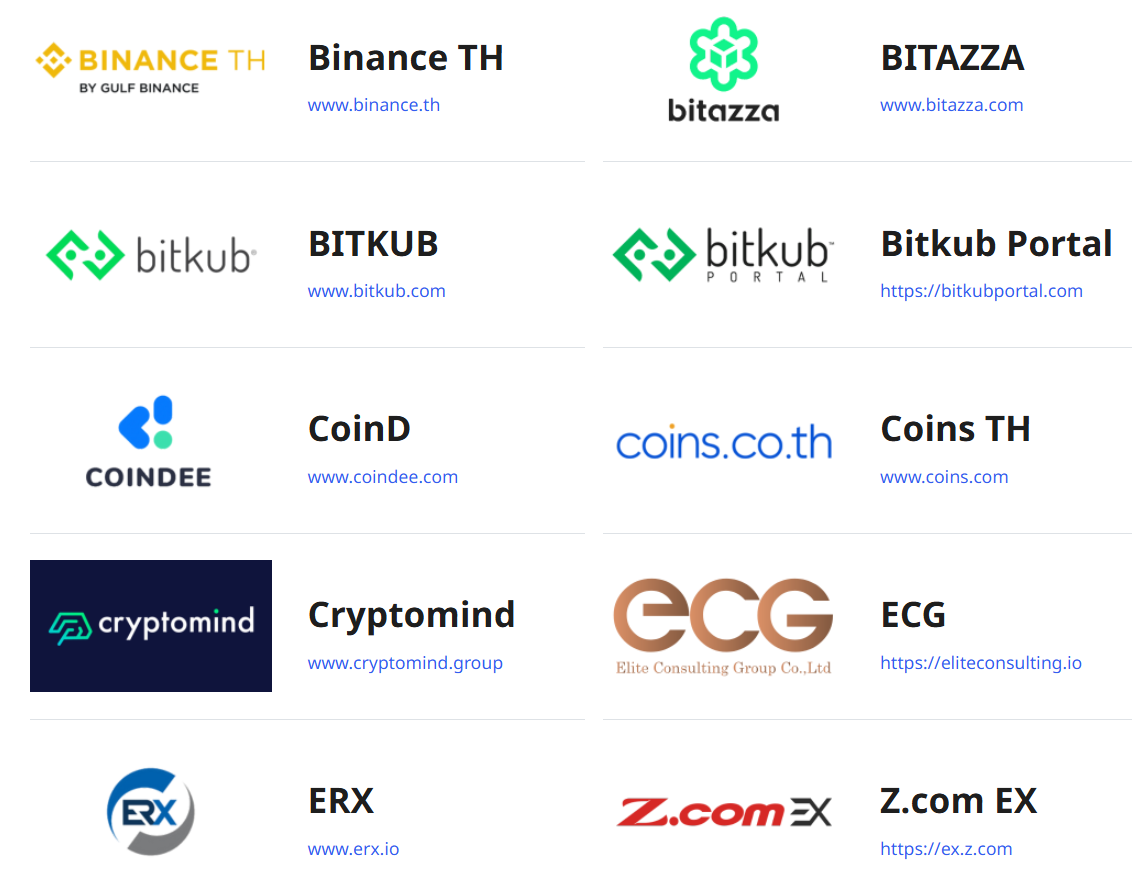
The TDO represents licensed digital asset operators in Thailand, including exchanges and brokers.
Cointelegraph has contacted the TDO for comment on the total value of frozen funds but had not received a response by publication.
Related: Thailand approves crypto as underlying assets in derivatives markets
SEC, TDO team up to fight mule crypto accounts
During the February 2025 workshop, the SEC and TDO joined other regulators, police agencies and banking groups to develop additional measures for identifying and restricting suspicious accounts.
“The SEC and the TDO have jointly developed guidelines for monitoring and investigating suspicious accounts,”SEC Deputy Secretary-General Jomkwan Kongsakul said at the time.
“In today’s meeting, apart from enhancing industry standards to tackle digital asset mule accounts, we have issued measures for addressing different types of mule accounts within an expedited timeframe,” she added.
The agencies also agreed to expand data-sharing guidelines among crypto operators, banks and law enforcement agencies to help prevent transfers to suspected mule accounts.
Related: Bithumb faces possible six-month partial suspension in South Korea
The latest reported freezes come as Thailand launched a campaign against so-called “gray money,” tightening oversight across physical gold markets and digital assets to close money-laundering loopholes, Cointelegraph reported on Jan. 13.
For crypto activity, the government ordered the SEC to strictly enforce the Travel Rule, requiring licensed crypto asset service providers to collect and transmit identifying information about the sender and recipient of certain digital asset transactions, particularly in wallet-to-wallet transfers facilitated by exchanges.
Magazine: How crypto laws changed in 2025 — and how they’ll change in 2026
Disclaimer: The content of this article solely reflects the author's opinion and does not represent the platform in any capacity. This article is not intended to serve as a reference for making investment decisions.
You may also like
The US stock Q3 earnings season kicks off: Profit growth expected to approach 30%. Can this boost the S&P 500 to new highs?
The AI engine is running at full speed, with S&P 500 profit growth approaching 30%. However, the deterioration in market breadth and high U.S. Treasury yields remain concerns.
Where is Muse's commercialization stuck? Barred from two-thirds of websites
Meta AI agent Muse faces commercialization difficulties: According to Jefferies' tests on hundreds of e-commerce, airline, and hotel websites, about one-third directly block Muse, another third set up access obstacles, and the core technical challenge has shifted from "Is the model good enough?" to "Can it even get in?" This friction in access will prolong the monetization timeline and objectively reinforce Google’s structural moat.
From Hugging Face to Figure Robots: How NVIDIA Is Betting Billions on the Future of the AI Ecosystem
Jensen Huang is personally leading the $12.9 billion acquisition of Hugging Face and negotiating an additional $1 billion investment in Figure Robotics. To mitigate the risk of "three major customers contributing 44% of revenue," Nvidia is restructuring its landscape with transactions exceeding $140 billion, making heavy bets on humanoid robots and local AI. The core strategy is to use capital to create a "thousand-model era," supporting massive application scenarios to break the monopoly of tech giants and firmly anchor future computing power demand.
Crypto prices
More


