
BofA Keeps Buy on JD.com (JD) as Q4 Revenue Forecast Meets Expectations

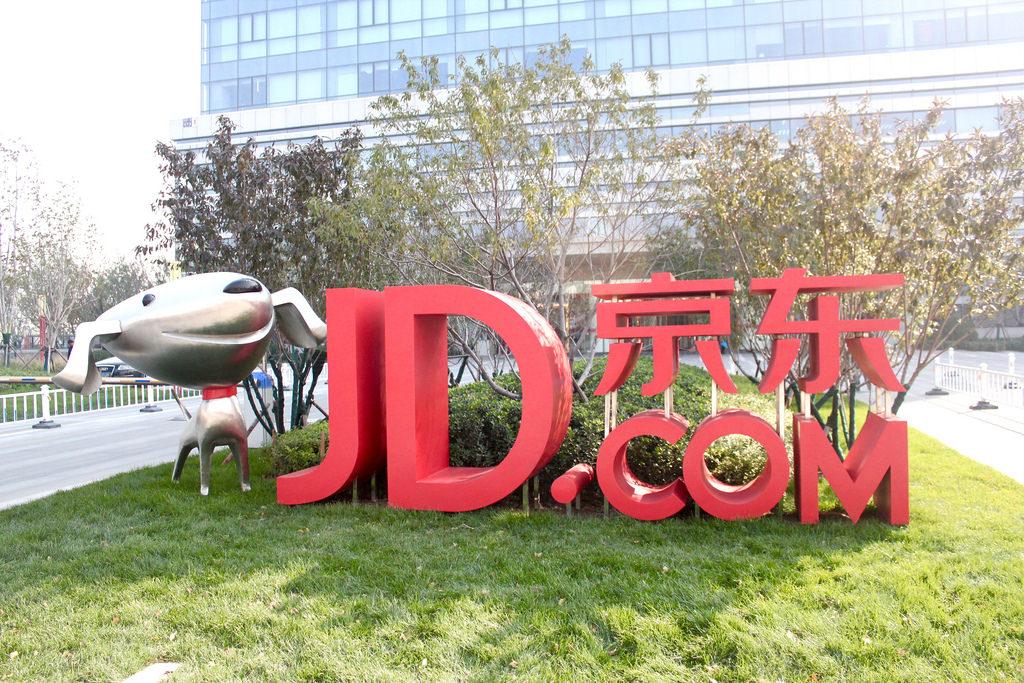
JD.com, Inc. (NASDAQ:JD) ranks among billionaire David Tepper’s 10 favorite stocks. On January 26, BofA Securities lowered its price target for JD.com, Inc. (NASDAQ:JD) to $36 from $38, but maintained a Buy rating on the e-commerce giant. The revision came as BofA analyst Joyce Ju issued projections for JD.com’s fourth-quarter 2025 earnings report, with total revenue forecast at RMB356 billion, a 2.6% year-over-year increase, and in line with consensus.
In terms of profitability, the firm forecasts JD Retail’s operating profit of RMB7.8 billion, a 22% year-over-year fall due to significant Singles Day subsidies, particularly in the home appliances sector.
According to BofA, JD.com’s group non-GAAP net profit would amount to RMB0.9 billion, above the street’s forecast of RMB0.6 billion, with losses coming from new initiatives likely to fall to RMB14.9 billion from RMB15.7 billion in Q3.
JD.com, Inc. (NASDAQ:JD) is one of China’s largest e-commerce and technology companies. It operates an extensive online retail platform supported by advanced logistics, supply chain management, and cloud services.
Disclaimer: The content of this article solely reflects the author's opinion and does not represent the platform in any capacity. This article is not intended to serve as a reference for making investment decisions.
You may also like
SHIB Slides as Futures Open Interest Surges: Can Bulls Reverse the Downtrend?

Stellar prepares Protocol 28 upgrade as XLM price targets $0.681 resistance
Everyone Is Bearish on XRP—But On-Chain Activity Tells a Different Story: What’s Next for Price?

"AI-driven Financial Innovation": The AI Chip "Seller Guarantee" Model Behind Broadcom's Plunge
Broadcom's stock price plummeted due to market repricing triggered by "seller-guaranteed" credit risk concerns. As traditional cloud giants near the limit of their capital expenditures, both Broadcom and Nvidia have entered the market by providing guarantees for SPVs to securitize computing power and attract private credit funds. While this move extends AI capital expenditures, it has also intensified market worries about issues such as rising debt levels, residual chip value, and customer concentration risks.
Crypto prices
More


