
Peter Thiel acquires 7.5% stake in Ethereum treasury ETHZilla
Key Takeaways
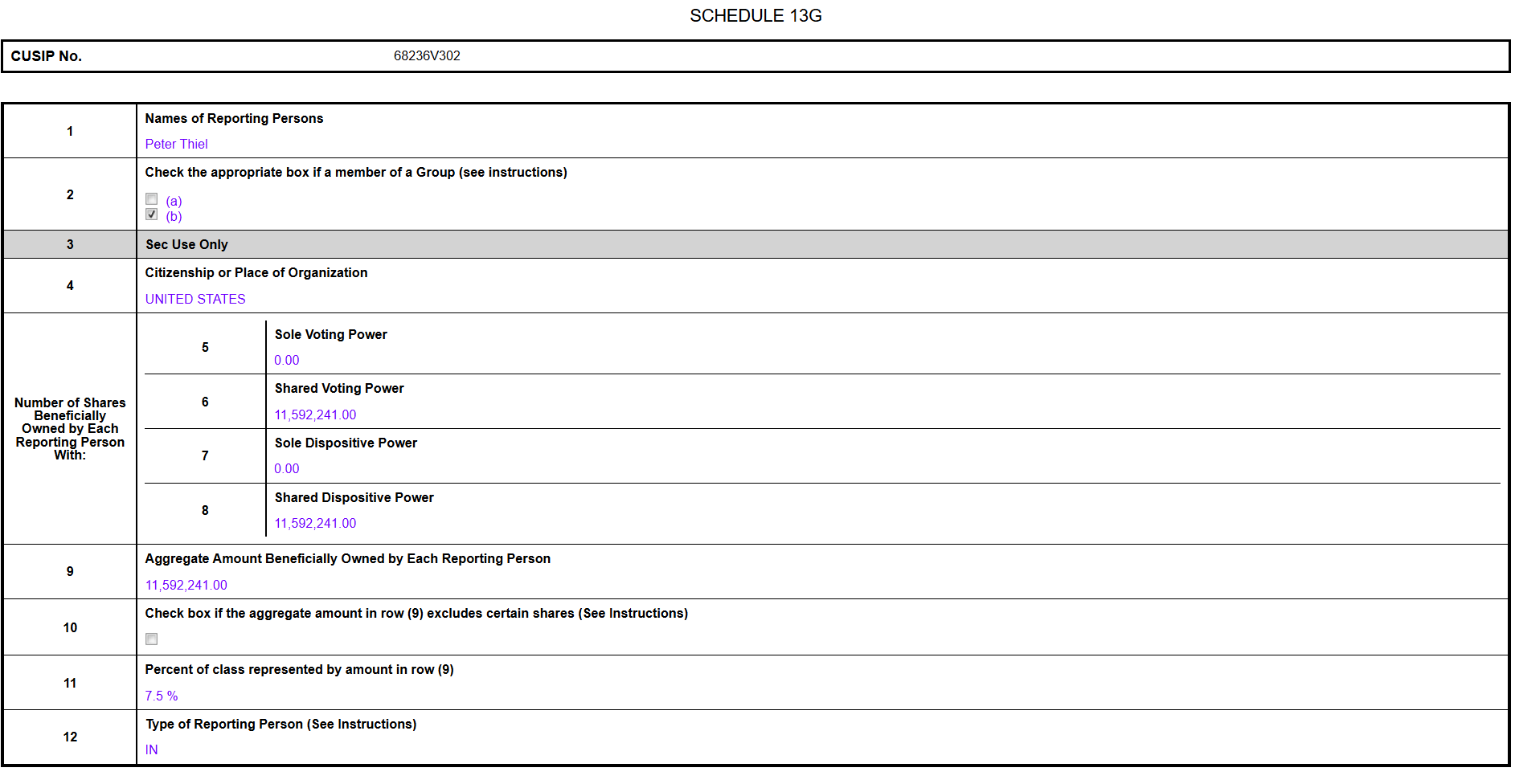
- Peter Thiel has disclosed a 7.5% stake in ETHZilla, which trades under the ticker ATNF.
- Thiel and his investor group reported beneficial ownership of over 11 million shares of 180 Life Sciences.
Share this article

Peter Thiel, the billionaire tech investor and co-founder of PayPal and Palantir, is part of an investor group that holds a 7.5% stake in 180 Life Sciences, which is rebranding as ETHZilla, an Ethereum-focused corporate treasury vehicle, according to a new SEC disclosure .
Shares of 180 Life Sciences (ATNF) jumped over 11% at Monday’s close and surged roughly 57% in overnight trading, Yahoo Finance data shows.
180 Life Sciences announced its Ethereum treasury plan in late July.
On Monday, the biotech firm said it sold $156 million in senior secured convertible notes due 2028 to an institutional investor, following a recent $425 million private placement. Proceeds will primarily fund Ethereum purchases, yield-bearing assets, and the company’s iGaming operations, while monetizing legacy biotech IP.
Thiel’s investor group now has stakes in two Ethereum treasury companies. In mid-July, he reported holding over 9% of Tom Lee’s BitMine Immersion , currently the biggest corporate ETH holder with close to $5 billion in its treasury.
Share this article
Disclaimer: The content of this article solely reflects the author's opinion and does not represent the platform in any capacity. This article is not intended to serve as a reference for making investment decisions.
You may also like
Clarity Act Vote Takes Place in a Few Hours, Here’s Everything You Need to Know

Pi Network extends recovery above $0.097 as ecosystem utility grows
Bitcoin risks drop to $71k as rounded-top pattern takes shape
It is almost consensus that the Federal Reserve will raise interest rates on Thursday, why does Standard Chartered refuse to "surrender"?
Standard Chartered believes that core inflation pressures may be overestimated and that raising interest rates remains a “wrong policy choice.” Tariffs have pushed up the PCE by about 0.7 percentage points, but this impact is expected to fade; the super-core CPI has already returned to a normal range, and consumer-side pressures are limited. In July, only three FOMC members supported a rate hike, and current data is insufficient to prompt more members to shift their stance. A more reasonable approach would be to wait until the effects of tariffs and data revisions dissipate before assessing the inflation trend.
Crypto prices
More


