
SEC Battle Intensifies as XRP Adoption Surges Globally

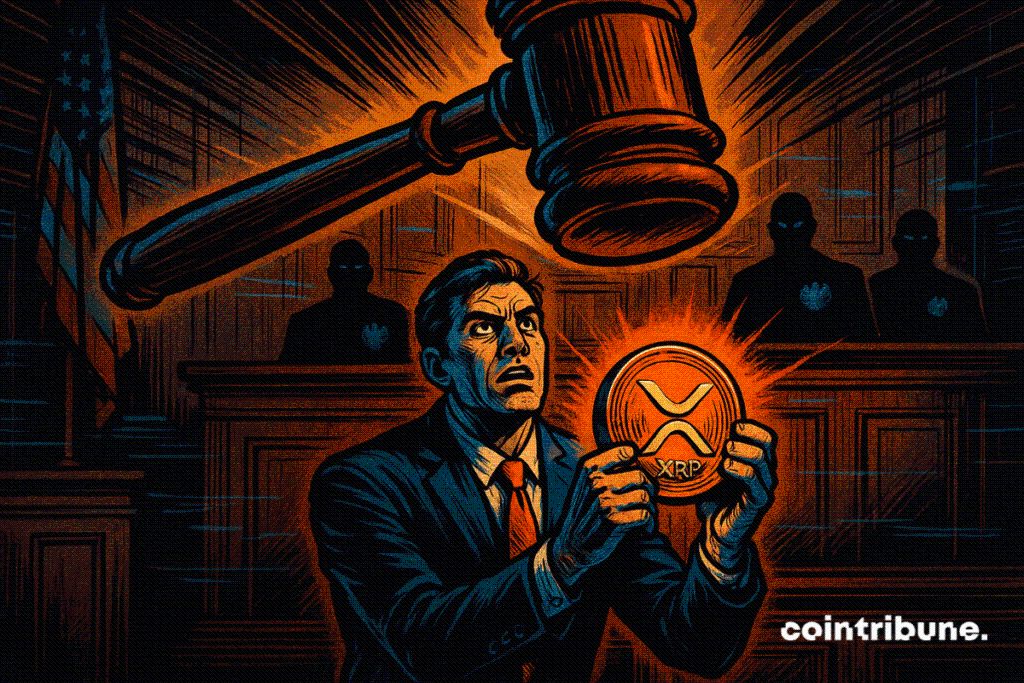
The Ripple lawsuit has encountered a new hurdle, sparking fresh uncertainty. The U.S. Securities and Exchange Commission (SEC) hasn’t pulled back its appeal against Ripple, even though Ripple has decided to step away from its own. Recently, U.S. District Judge Analisa Torres turned down a proposed settlement that was meant to put an end to this long-standing legal battle. This case, taking place in the Southern District of New York, has the potential to change how cryptocurrencies are regulated in the U.S. Now, the SEC is required to update the appeals court by August 15, leaving everyone wondering if they will drop the appeal or ask for more time.
In Brief
- Ripple’s lawsuit stalemate deepens crypto confusion, but partial legal clarity on XRP boosts confidence among institutions.
- XRP adoption grows for global payments as its speed and low cost attract businesses despite the SEC’s unresolved appeal.
- Ripple’s legal fight could shape crypto payroll systems by pushing for clearer rules and boosting trust in cross-border payments.
SEC Inaction Deepens Regulatory Uncertainty
There’s no deadline forcing the SEC to act now , according to legal expert Bill Morgan , but the upcoming August 15 court report adds pressure. Vincent Van Code, a well-known crypto commentator, believes the SEC might act in time. Yet, he also notes that bureaucracy could delay the decision. Additionally, the current pro-crypto stance under Donald Trump may influence how aggressively the SEC proceeds.
Judge Torres’ earlier ruling in 2023 clarified that XRP’s programmatic sales are not securities, while institutional sales are. That partial win for Ripple gave a boost to investor confidence. However, the latest rejection of the settlement has again created legal limbo. This situation has added to the frustration of XRP holders and businesses who need regulatory clarity.
XRP Sees Institutional Surge Despite Legal Clouds
Despite the court battle, XRP has gained traction with institutions . The reason is simple — legal clarity, even if partial, builds confidence. Many companies now see XRP as a viable bridge currency for cross-border payments.
Its speed and affordability make it attractive for treasury use. Moreover, hopes for an XRP spot ETF are rising. This could drive broader adoption and push more firms to include XRP in their crypto reserves.
Fines and injunctions are no longer the only issues in the Ripple case. It has come to represent the struggle for more transparent crypto laws.
Additionally, a Crypto Task Force was recently established by the SEC. This has raised expectations that the agency would be easing its strict approach. There may be fewer enforcement actions and better-organised compliance pathways for the business if that trend keeps up.
Crypto Payroll Could Evolve from Legal Outcome
The outcome of this case might directly impact crypto payroll solutions. If regulations become clearer, businesses may adopt Ripple’s protocol for global payroll systems. Consequently, international payments could become faster, cheaper, and more transparent. XRP could then act as a central tool for cross-border salaries.
Moreover, European startups and SMEs can learn from Ripple’s experience. By prioritizing compliance, these businesses can reduce risks and unlock crypto’s full potential in payroll. As the Ripple case unfolds , it could shape the very foundation of crypto adoption in business payments.
Disclaimer: The content of this article solely reflects the author's opinion and does not represent the platform in any capacity. This article is not intended to serve as a reference for making investment decisions.
You may also like
BTC, ETH, XRP, ZEC consolidate near highs as breakout levels approach
As chip stocks plummet, "cybersecurity software" surges across the board, CrowdStrike and Palo Alto Networks hit new highs
CrowdStrike surged 13.8% in a single day to a record high, while Palo Alto Networks soared 13%. The software ETF outperformed the semiconductor ETF by more than 10 percentage points in a single day, marking the largest gap in history. Analysts believe that regardless of the pace of AI development, security demand will only continue to rise. Capital is accelerating its rotation from computing hardware to security software, with segments such as identity management and data governance expected to benefit first.
Altman can afford to wait, but Masayoshi Son can't: OpenAI will not go public this year, exposing a $20 billion gap and a credit weakness for SoftBank.
OpenAI has postponed its public listing, putting its largest external shareholder, SoftBank, in a liquidity crisis. This week, SoftBank is conducting a roadshow in New York, seeking to issue $10-20 billion in bonds to repay the $40 billion bridge loan previously borrowed to increase its investment in OpenAI. According to Bloomberg estimates, SoftBank faces a funding gap of at least $20 billion, and the yield on its existing U.S. dollar bonds has already exceeded 8.5%, with pricing approaching junk status.
Meeting postponed, gold price drops rapidly
Crypto prices
More


