
Barry Silbert, Mark Murphy to exit Grayscale board

Both resignations are effective Jan. 1, 2024
Digital Currency Group CEO Barry Silbert has resigned as Grayscale’s chair, according to a Tuesday filing with the US Securities and Exchange Commission.
DCG President Mark Murphy will also be leaving the board. Both resignations are effective Jan. 1, 2024.
DCG Chief Financial Officer Mark Shifke will replace Silbert as chair, the filing noted. Senior vice president of operations at DCG Matt Kummell, and Edward McGee, who serves on the audit committee, will also be joining the board.
The departures come as DCG, Grayscale’s parent company, battles a lawsuit brought on by New York Attorney General Letitia James earlier this year. James’ office alleges DCG and its subsidiary Genesis concealed $1.1 billion in losses from investors.
DCG in October said it had “cooperated for months” with New York regulators as James’ office investigated.
“We were blindsided by the filing of the complaint, and there is no evidence of any wrongdoing by DCG , [CEO] Barry Silbert, or our employees, nor are there any compelling factual allegations in the complaint to establish the AG’s conclusory assertions regarding DCG,” the company wrote in a letter shared with Blockworks.
The news also follows the court ruling that DCG is prohibited from selling or reducing ownership of Genesis until bankruptcy proceedings conclude.
Genesis filed the motion back in late November, arguing that DCG’s stake in Genesis must stay above 80% to “to protect the potential value of [its holding company’s] interest in the federal net operating loss [NOL] carryforwards of the DCG Group.”
Disclaimer: The content of this article solely reflects the author's opinion and does not represent the platform in any capacity. This article is not intended to serve as a reference for making investment decisions.
You may also like
European long-term bond yields soar, 30-year German bonds and 10-year French bonds hit multi-year highs
During Friday trading, the 30-year German bond yield reached its highest level since 2011, while the 10-year French bond yield hit its highest since 2009. In the recent European bond market, short-term interest rates have been more influenced by expectations of European Central Bank policies, whereas long-term yields are increasingly driven by a combination of inflation, fiscal deficits, government bond supply, and term premium factors.
Coldcard wallet exploit leads to theft of over 1,778 Bitcoin worth $112M
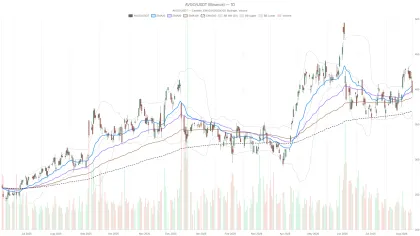
Broadcom Inc. stock plunges to $395 as hourly RSI hits 25.09
How Wall Street’s $800 billion AI bubble could trigger crypto’s next big reset
Crypto prices
More


