Gulf of Aden Hijacking + Aircraft Carrier Deployment + Iran Blockade: Will Crude Oil and Gold Face Another Short Squeeze This Weekend?
Huitong Financial Network, August 20—— Today, global markets are driven by two main themes: first, Middle Eastern geopolitics and shipping security; second, the weakening of the US dollar due to US Treasury liquidity operations. Concerns over crude oil supply are intensifying, US Treasury repurchase operations are doubling and suppressing yields, and precious metals are benefiting.
On Thursday (August 20), the deadlock in the Middle East remains unresolved, commercial shipping through the Strait of Hormuz is still severely restricted, and another oil tanker hijacking has occurred in the Gulf of Aden, keeping crude oil risk premiums at high levels. The US Treasury is expanding long-term government bond repurchases, driving US Treasury yields lower and bringing the US dollar close to its three-month low, supporting gold and silver. In the short term, the market is alternately driven by geopolitical supply concerns and US dollar weakness, and volatility may intensify.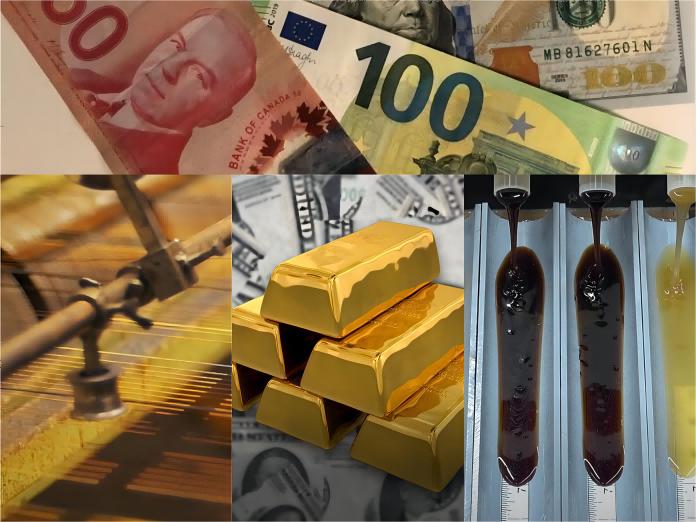
Today, global markets are being driven by two main narratives: first, Middle Eastern geopolitics and shipping safety; second, US Treasury liquidity operations leading to dollar weakness. Crude oil supply anxiety is intensifying, transit volume through the Strait of Hormuz is much lower than pre-US-Iran conflict levels, and there have been armed boarding incidents in the Gulf of Aden; US Treasury repurchases have doubled, suppressing yields and benefiting precious metals. UK factory orders have hit a cyclical high, but price expectations are rising again.
Hormuz and the Gulf of Aden: Dual Engines of Supply Anxiety
The US Navy’s ongoing blockade of Iranian ports has resulted in only about 5 million barrels of crude oil per day leaving the region through protected corridors, significantly below pre-conflict levels, reinforcing the narrative of tight supply. An oil tanker in the Gulf of Aden was boarded by six armed men and diverted towards Somalia, increasing expectations of higher insurance and shipping costs for Red Sea/Gulf of Aden routes and indirectly supporting oil prices. Aircraft carrier deployments reinforce expectations of a strong military presence, which may slightly increase short-term dollar demand for safe-haven purposes, but the medium- to long-term impact depends on actual actions taken.
US Treasury Liquidity Operations: Weaker Dollar, Precious Metals Benefit
The US Treasury has announced at least a doubling of long-term government bond repurchases to support liquidity, lowering Treasury yields and bringing the US Dollar Index close to a three-month low. This directly boosts gold and silver, with gold testing recent highs and silver showing even greater elasticity; non-US currencies are also strengthening. If the dollar’s short-term weakness persists, precious metals will remain well supported; however, if the market interprets the repurchase as debt worries, it may amplify “dollar depreciation trades” and market volatility.
UK Order Rebound: Upside Demand and Price Pressure
Major overseas institutions’ surveys show the UK’s August factory orders index has risen to its highest since November 2024, and export orders turned positive for the first time since June 2022, providing some demand-side support for risk assets. However, price expectations are rebounding simultaneously, reflecting the pass-through of crude oil costs. For the pound, the data is positive but not enough to independently shift currency policy expectations; it is more likely to follow the weakening dollar.
Black Sea and Weather: Marginal Noise, Not a Main Narrative for Now
Debris from a drone caused a fire at an energy port in the Black Sea but was quickly extinguished, with limited assessed impact. There are routine showers in European/UK waters, and while Southeast Asia is experiencing a strong monsoon, there have been no major disruptions to key oil shipping lanes. Such events can be ignored in the short term, but Black Sea regional risks remain in the long term; if combined with other supply shocks, volatility may be amplified.
PART 4: Trend Outlook
In the short-term, hijackings in the Gulf of Aden, Qatar’s mediation signals, and fluctuations in US Treasury yields and the US dollar can trigger high-frequency volatility, especially during Asian/European trading hours. Oil prices are highly sensitive to any shipping or diplomatic signals, and gold and silver are supported by dollar weakness. In the longer term, if restrictions through the Strait of Hormuz persist, expected global inventory drawdowns may push oil risk premiums even higher, leading to discussions about oil prices entering a higher range; if the dollar remains weak, precious metals may stay strong. Tail risks include a complete shipping halt through the Strait, failed mediation leading to military escalation, and the spread of incidents in the Gulf of Aden; geopolitical developments over the weekend are worth monitoring.
Frequently Asked Questions
How significant is the current impact of the Strait of Hormuz?
Currently, about 5 million barrels per day pass through protected corridors, well below pre-conflict levels, with severely limited commercial shipping and a narrative of supply tightness supporting oil prices.
How do US Treasury repurchases affect gold?
Repurchases improve liquidity and lower yields and the US dollar; as gold is priced in US dollars and pays no interest, both dollar weakness and risk aversion drive up precious metals.
Will the Gulf of Aden hijacking continue to ferment?
The incident has occurred; if resolved quickly, the effects should be short-term, but risks in the Red Sea/Gulf of Aden may recur, and higher insurance and freight costs could be sticky.
Can Qatari mediation reverse oil prices?
Mediation is ongoing, but a breakthrough in the short-term is unlikely. If genuine negotiations begin, it could briefly compress the risk premium, but follow-up actions need to be monitored.
Is the Black Sea port incident worth trading?
Current assessments show minimal impact; it is more of a background risk. However, long-term disturbances in the Black Sea region remain, and if combined with other supply shocks, volatility could increase.






