
Why Did the U.S. Dollar Rise for the Week Despite Easing Fed Rate Expectations? An Analysis of Oil Prices and Safe-Haven Demand
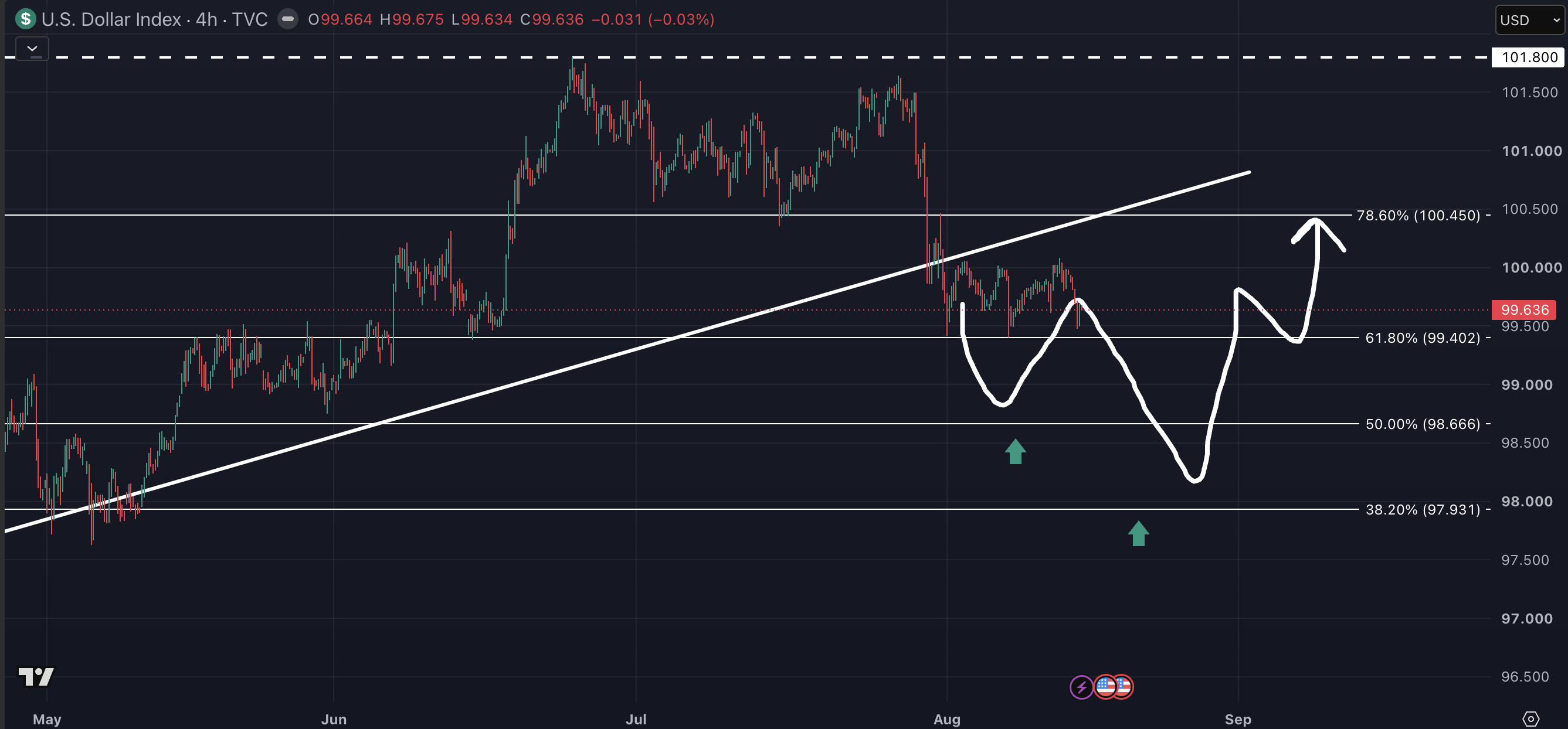
The U.S. dollar weakened last Friday (the 14th) as markets further adjusted their expectations for the Federal Reserve’s monetary policy following easing inflation, weak retail sales, and softer employment data. Although the U.S. Dollar Index came under pressure during the session, geopolitical risks in the Middle East pushed oil prices higher and boosted safe-haven demand, allowing the dollar to post a modest weekly gain and end a two-week losing streak.
In late New York trading, the U.S. Dollar Index (DXY), which measures the dollar’s performance against a basket of six major currencies, fell by around 0.3% to 99.67. However, it still gained approximately 0.1% for the week.
Softer Inflation and Retail Data Cool Expectations for Further Fed Tightening
This week, market attention focused on U.S. inflation and consumer spending data, as investors looked for clues about the Fed’s future interest-rate path.
The latest data showed that price pressures in the United States continue to ease. Both headline and core Consumer Price Index (CPI) annual growth slowed in July. The subsequently released Producer Price Index (PPI) also showed moderation in both headline and core price gains.
Meanwhile, the U.S. Census Bureau reported that retail sales fell 0.6% month-over-month in July to $763.6 billion, significantly weaker than market expectations for a 0.1% increase. Core retail sales also declined by 0.3%, compared with expectations for a 0.2% rise.
Rising energy prices have increased household living costs, potentially prompting consumers to cut back on non-essential spending. At the same time, the U.S. personal savings rate fell to its lowest level since mid-2022 in June, suggesting that consumers’ financial buffers are shrinking.
However, the details of the retail data may not have been as weak as the headline figure suggested. One-off factors, including lower gasoline station sales due to changes in oil prices and Amazon Prime Day being held in late June rather than July, may have weighed on July’s retail numbers. Even after excluding these effects, however, overall consumer spending still showed signs of weakening.
Markets Lower Rate-Hike Odds as Treasury Yields Diverge
As economic data weakened, market expectations for further monetary tightening by the Fed declined significantly.
According to the CME FedWatch Tool, the probability that the Fed will keep interest rates unchanged at its September meeting rose to around 67%, up from nearly 56% a week earlier. Meanwhile, the probability of a 25-basis-point rate hike fell from about 44% to close to 33%.
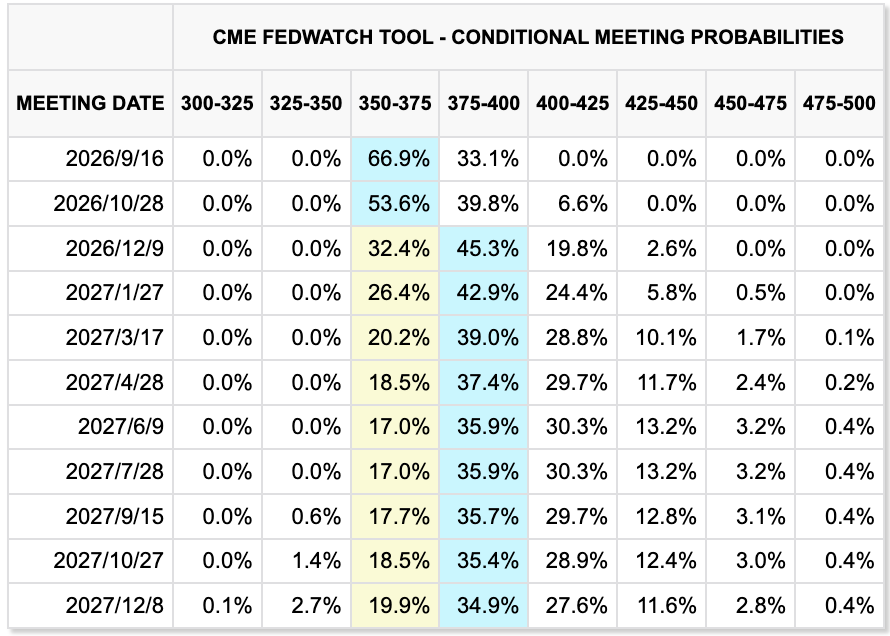
Weak retail sales data further reduced the likelihood of the Fed raising rates at its next meeting.
Following the release of the CPI and PPI data, interest-rate-sensitive U.S. Treasury yields initially declined as bond buying increased. However, yields rebounded on Friday, pushing the 10-year U.S. Treasury yield higher for the week. In contrast, the 2-year Treasury yield remained lower for the week, reflecting a more dovish outlook for short-term interest rates.
Rising Oil Prices and Middle East Tensions Support the Dollar’s Safe-Haven Appeal
Although shifting rate expectations weighed on the dollar, escalating tensions in the Middle East and higher crude oil prices partially offset the currency’s decline.
Brent crude oil futures rose about 1.7% to $88.52 per barrel, bringing the weekly gain to approximately 4.5%. Markets are closely watching potential disruptions to shipping and oil supply through the Strait of Hormuz, as well as security concerns surrounding the Bab el-Mandeb Strait.
As the Strait of Hormuz is a critical global energy transportation route, any shipping restrictions, blockade risks, or reduction in tanker traffic could intensify concerns over supply disruptions. If oil prices continue to rise, they could not only lift inflation expectations but also drive capital flows into traditional safe-haven assets such as the U.S. dollar.
Key Factors to Watch: Fed Signals, Treasury Yields, and Oil Prices
In the near term, the U.S. dollar’s direction is likely to be driven by the following factors:
-
U.S. economic data: Continued weakness in employment, inflation, and consumer spending data could reinforce expectations of a more dovish Fed.
-
Changes in U.S. Treasury yields: In particular, movements in 2-year and 10-year Treasury yields remain key indicators of dollar strength.
-
Middle East geopolitical risks: Further increases in oil prices and safe-haven demand could limit the dollar’s downside.
-
Fed officials’ remarks: Any comments regarding high interest rates, the timing of rate cuts, or inflation risks could trigger greater volatility in the foreign exchange market.
For CFD traders, it is worth closely monitoring the relationship between the U.S. Dollar Index, U.S. Treasury yields, gold, and crude oil. As monetary policy expectations and geopolitical risks interact, market volatility may increase. Traders should use stop-loss orders and manage leverage and position sizes carefully.
Looking to capture real-time market opportunities in the U.S. dollar, gold, crude oil, and global indices? Explore and trade CFD products through Bitget, and position flexibly based on market trends while participating in currency-market movements.


- Softer Inflation and Retail Data Cool Expectations for Further Fed Tightening
- Markets Lower Rate-Hike Odds as Treasury Yields Diverge
- Rising Oil Prices and Middle East Tensions Support the Dollar’s Safe-Haven Appeal
- Key Factors to Watch: Fed Signals, Treasury Yields, and Oil Prices